When researching walking tours in Lima, tourists often face a simple question that hides a complex truth: should you join a free walking tour or book a paid walking tour?
At first glance, the difference seems obvious — one costs money upfront, the other is free to join. But when it comes to actual experience, structure, and value, the difference goes far deeper.
Let’s break down the reality using one of Lima’s most historic neighborhoods — Pueblo Libre — as a case study.
A Real Example: The Pueblo Libre Walking Tour
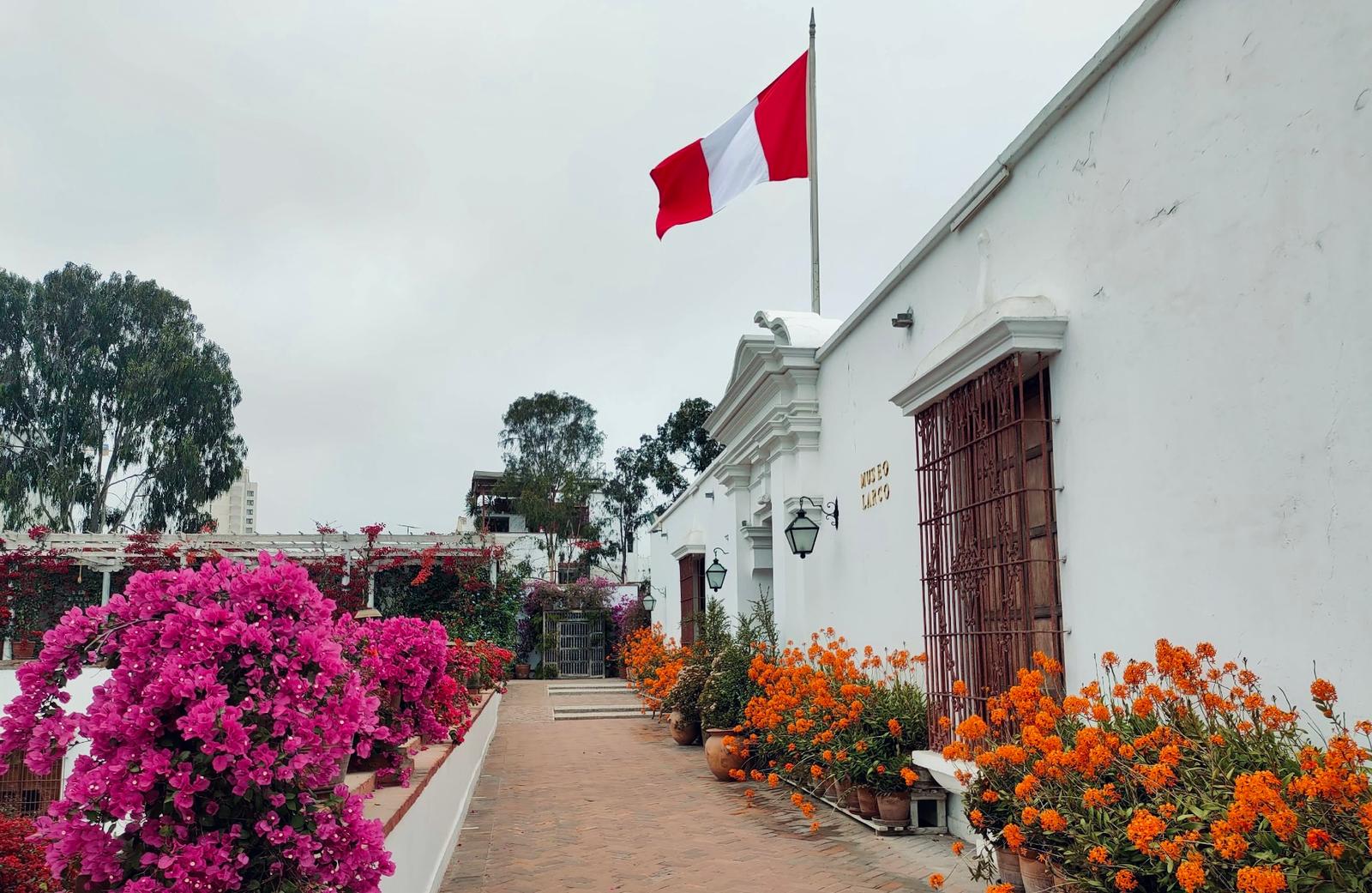
Pueblo Libre is one of Lima’s most culturally rich districts and it was a key site during Peru’s independence movement. It was once home to Simón Bolívar, José de San Martín, and Manuela Sáenz — the heroes of South America’s liberation.
Here, travelers find two similar experiences: a free walking tour and a professionally operated paid walking tour. Both cover major landmarks like Plaza Bolívar, Santa María Magdalena Church, and the Quinta de los Libertadores, plus more. And both are led by the same certified MINCETUR guides. Yet the difference in access, interaction, and overall experience is significant.
1. The Illusion of “Free”
The main difference between free and paid walking tours in Lima isn’t price — it’s timing.
Paid tours require a clear, fixed fee (usually around $35 USD) when you book. There are no surprises or pressure to tip. Free tours, on the other hand, are booked for $0, but tipping at the end is expected. Average tips range between $25–$50 USD per person, often making it the same price or even more expensive than the fixed-price option.
Free doesn’t mean cheaper. It means variable — and it can be costlier once the social pressure and tip expectations come into play.
2. Group Size and Experience: Quality vs. Quantity
Paid walking tours in Lima typically focus on quality and connection.
Small groups mean better access. Paid operators cap groups at 5–8 participants, ensuring that everyone can hear the guide, ask questions, and move comfortably through Lima’s narrow colonial streets.
Free tours often depend on volume. Groups can exceed 30 people, making it hard to hear or engage. What starts as an immersive experience can feel more like a lecture in motion.
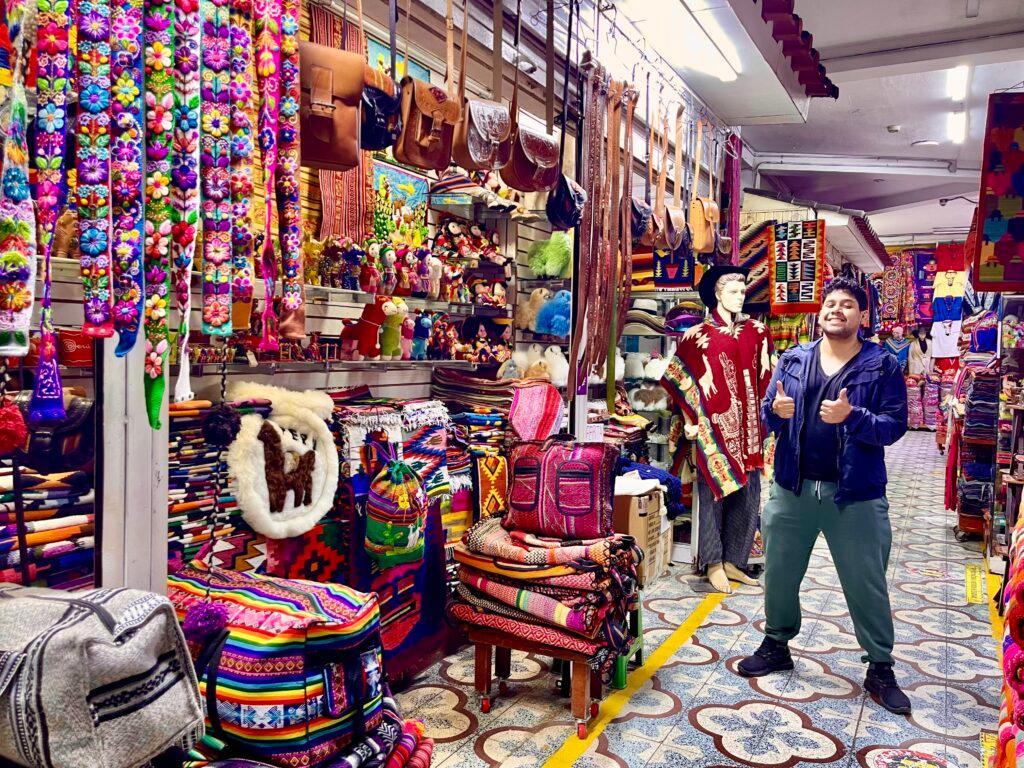
A smaller group also means your guide can tailor the tour — diving deeper into specific interests like independence history, local architecture, souvenir shopping or traditional taverns.
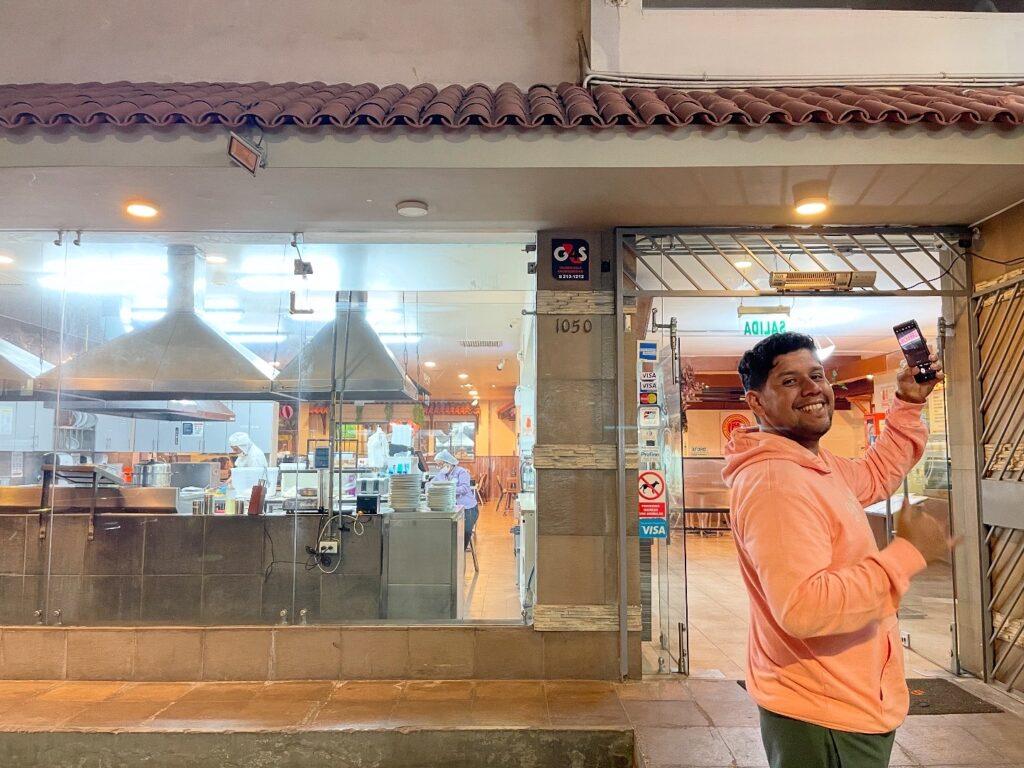

3. What You Get for Paying: Depth, Access, and Taste
Both the free and paid Pueblo Libre tours are run by the same, experienced, MINCETUR-certified guides. But the paid option gives travelers more direct access to the guides and a richer sensory experience.
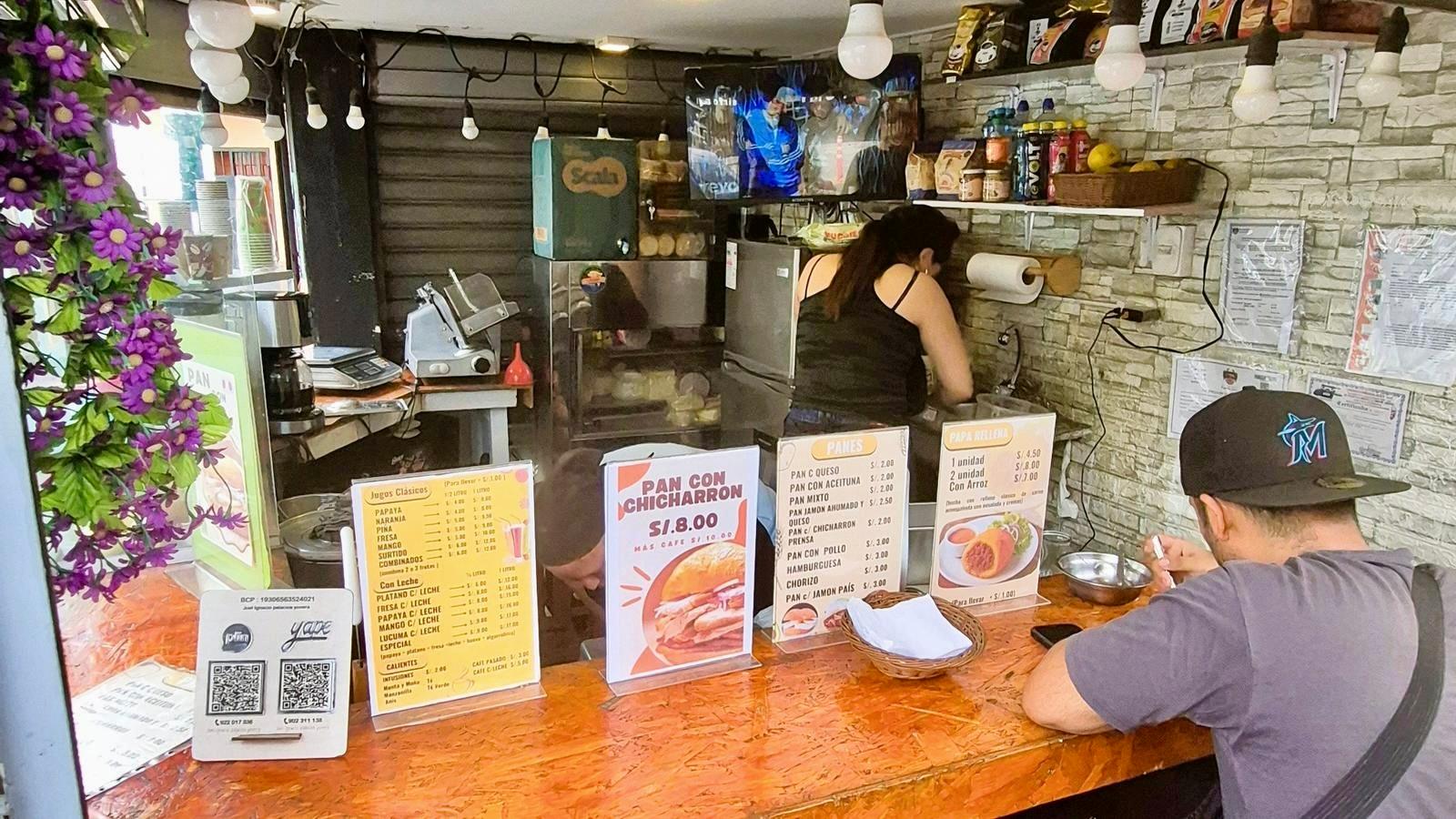
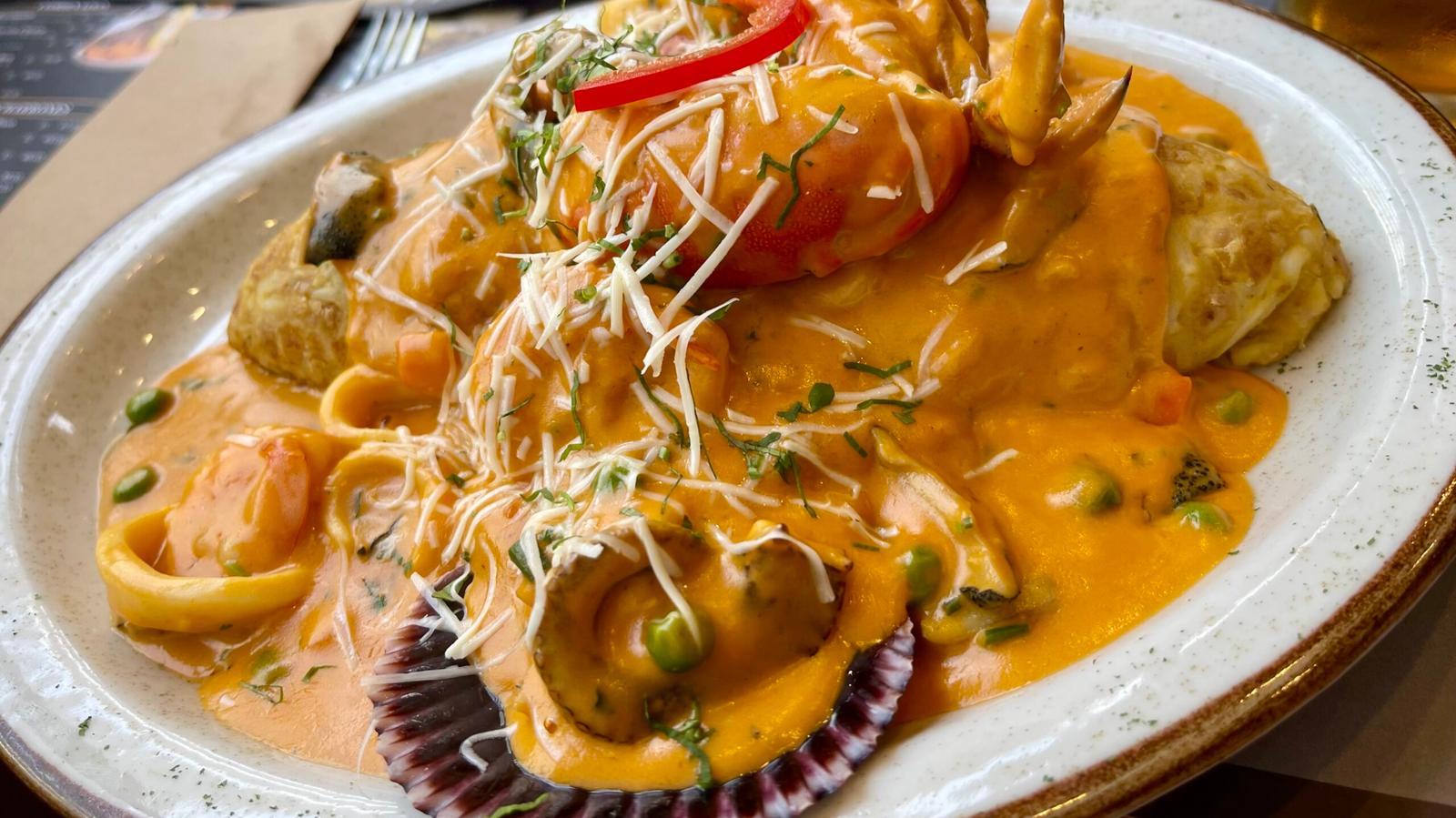
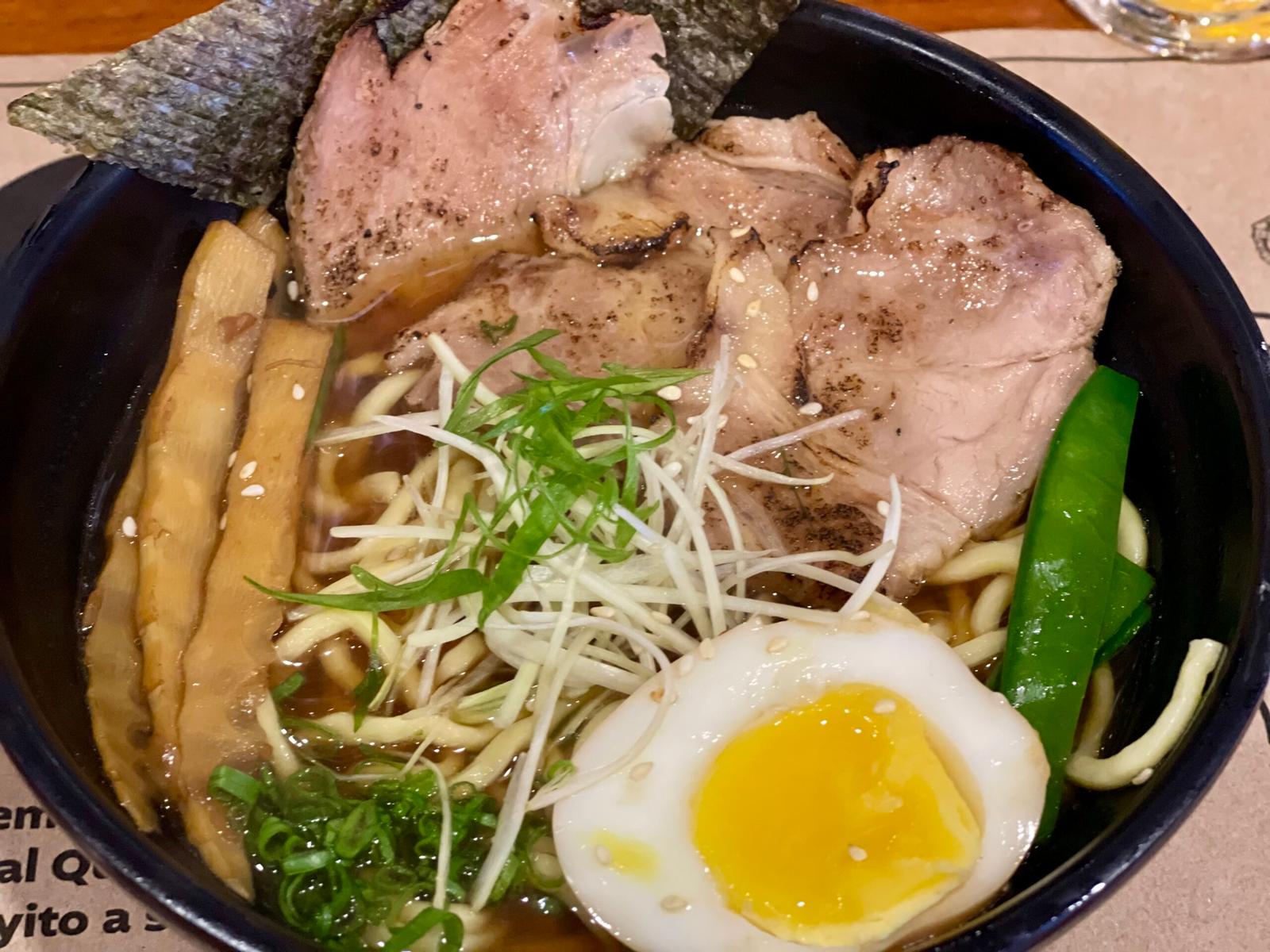
Because groups are smaller, guests can interact more with the guide, ask questions freely, and even alter or extend the route to match their interests. The paid tour also includes opportunities to try seasonal fruits, local snacks, and street foods along the way — something logistically impossible with large, tip-based groups.
In short, you’re not just paying for a guide — you’re paying for time, personalization, and authentic local connection.
4. A Matter of Respect — for Time and Expertise
Your time in Lima is valuable. Whether you have one day in Lima or one week in Lima, investing in a professional walking tour shows respect for your own experience — and for the city’s history.
Paid tours in districts like Pueblo Libre, Barranco, or the Historic Center of Lima allow for deeper storytelling, safer logistics, and a more personal connection with local culture.
The Smart Traveler’s Choice in Lima
When comparing free versus paid walking tours in Lima, the real difference isn’t money — it’s mindset.
A paid walking tour offers smaller groups, certified guides, more flexibility, and authentic tasting experiences. A free tour, while appealing on paper, often ends up crowded, inconsistent, and more expensive once tips are included.
If you value accuracy, comfort, and a genuine connection to Lima’s revolutionary history, the paid tour model delivers far more than a casual stroll.
For travelers exploring Pueblo Libre, Lima’s “Village of the Liberators,” a small-group paid walking tour isn’t just a purchase — it’s an investment in understanding Peru’s past through the eyes (and tastes) of professionals who live it every day.

Frequently Asked Questions About Walking Tours in Lima
1. Are free walking tours in Lima really free?
Not entirely. Although they don’t require upfront payment, it’s expected to tip the guide at the end—usually between $25 and $50 USD per person. In many cases, that can exceed the cost of a paid walking tour.
2. What’s the main difference between free and paid walking tours in Lima?
Free tours rely on large groups and voluntary tips, while paid walking tours have smaller groups, fixed prices, and consistent quality. Paid tours usually offer greater interaction, flexibility, and better overall experience.
3. Are all walking tour guides in Lima certified?
Both free and paid tours in Lima can feature certified MINCETUR guides. However, paid tours often attract more experienced guides who are compensated for preparation, research, and personalized attention.
4. Why choose a walking tour in Pueblo Libre?
Pueblo Libre is one of Lima’s oldest and most historic districts, home to Plaza Bolívar, the Quinta de los Libertadores, and numerous museums. It’s a quieter, safer area where travelers can walk comfortably while learning about Peru’s independence history.
5. What makes the paid Pueblo Libre walking tour better?
The paid tour limits groups to five people or fewer, allows guests to customize the route, and includes fruit and street-food tastings along the way—experiences that aren’t practical with large free-tour crowds.