
Managing money in a new country can feel stressful. However, paying for things in Lima and across Peru is simple. You don’t need to carry a lot of cash.
For most of your travel, you can simply use modern card payments combined with a small cash reserve, just like locals do. Here’s your straightforward guide to managing money in Peru.
Card is King: The Best Way to Pay
It’s a mistake to think Peru is a cash-only country. This is false, especially in major cities like Lima, Arequipa, and Cusco.
Credit and debit cards are accepted for the majority of your major expenses, including:
- Restaurants and Cafes: Card terminals are standard almost everywhere, from formal restaurants to casual local spots.
- Supermarkets and Retail Stores: All major grocery stores, pharmacies, and shops accept Visa and Mastercard easily.
- Hotels and Hostels: Every established place to stay will accept card payments.
- Major Transport: Use your card for flights, intercity buses, and in ride-hailing apps like Uber or Cabify. Link your card to the app for the best rate and convenience.
The Main Places You Will Need Cash: Card acceptance is high, but you will need cash for the following:
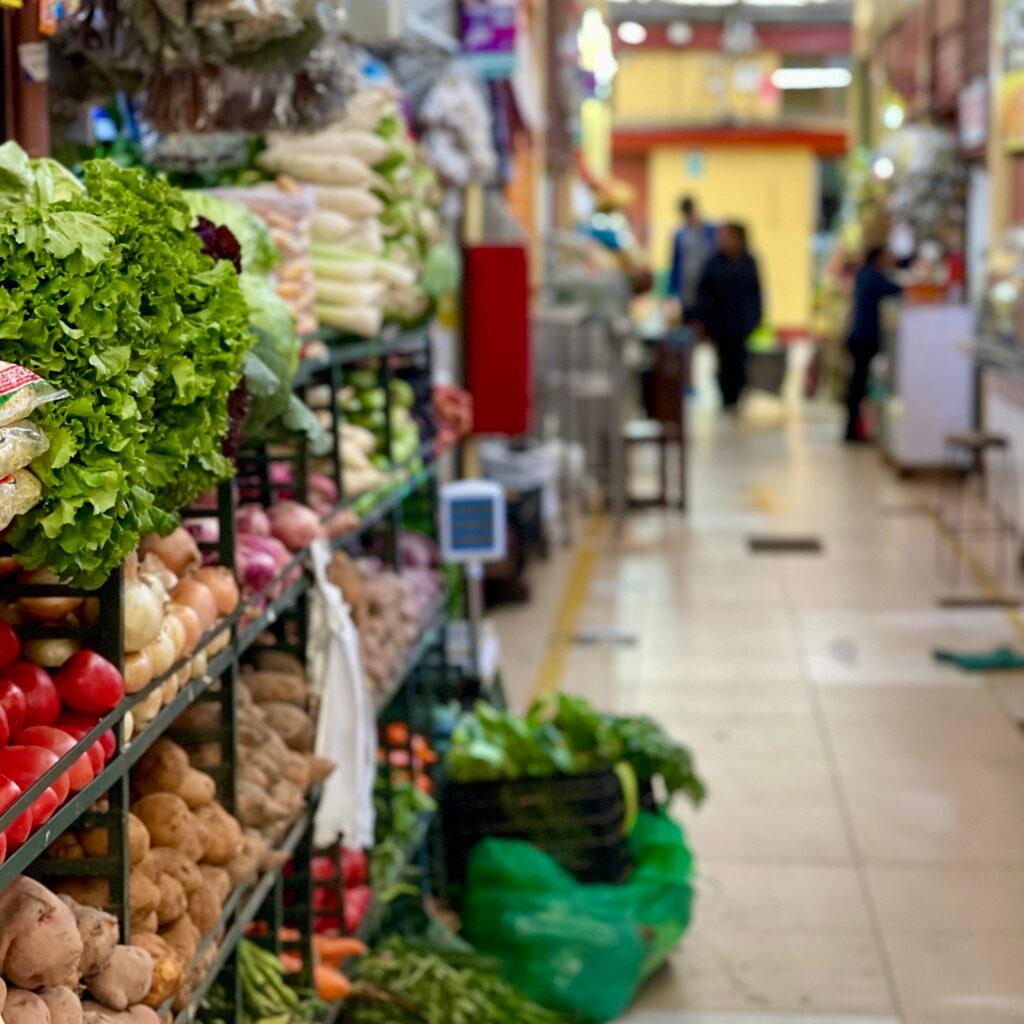
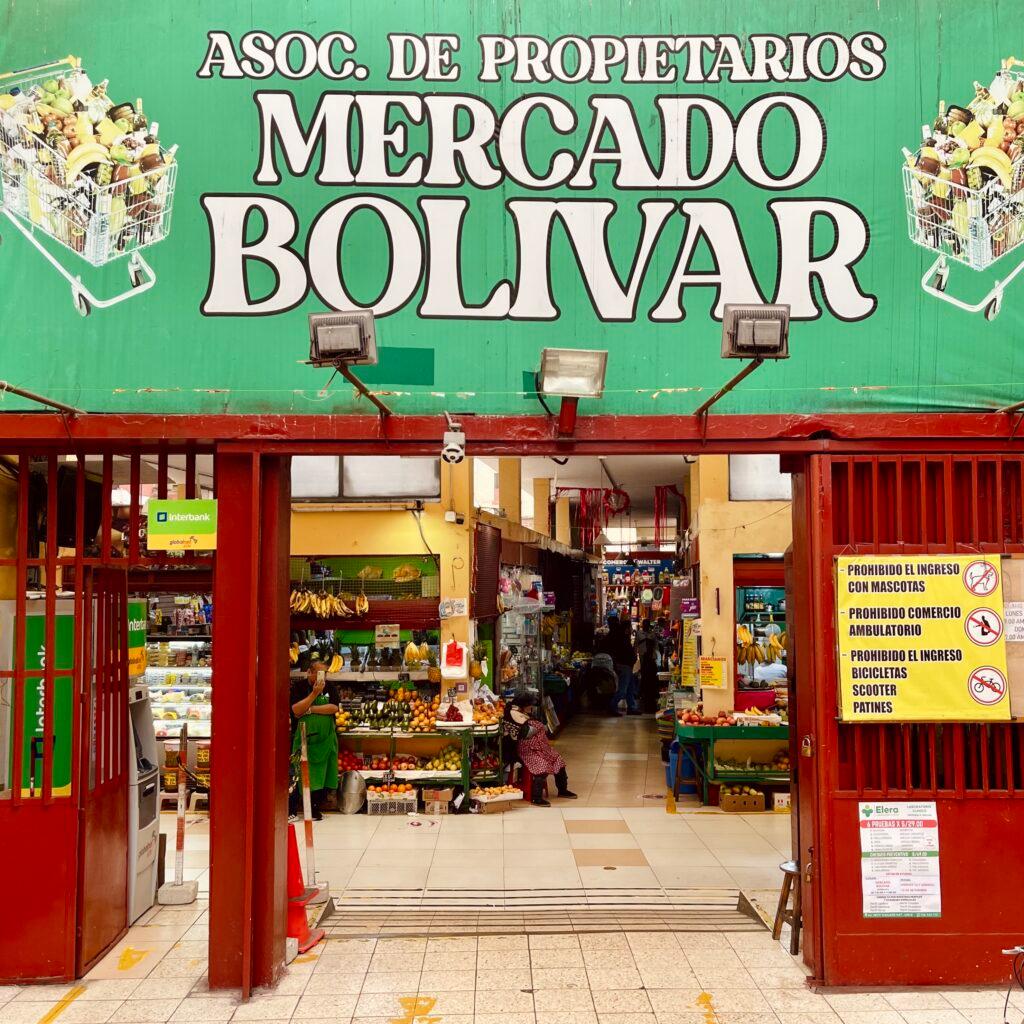
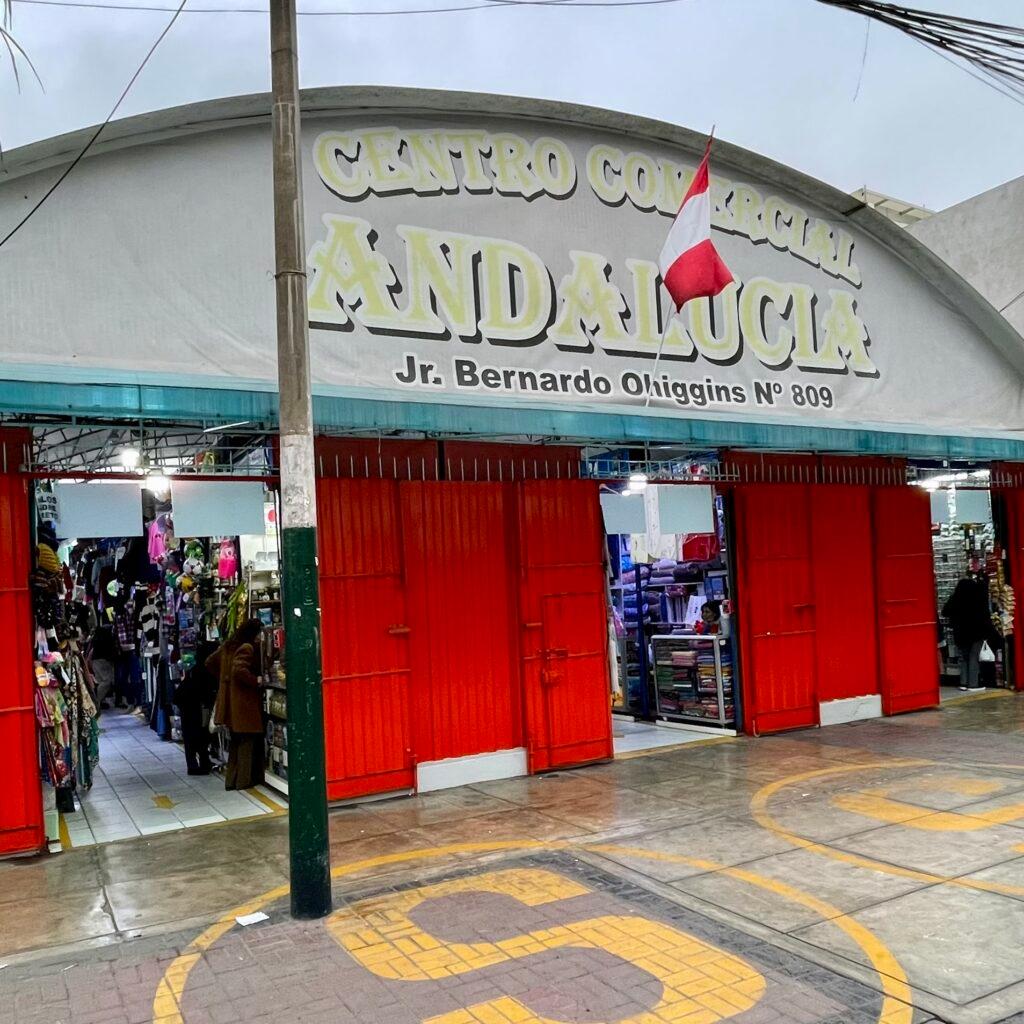
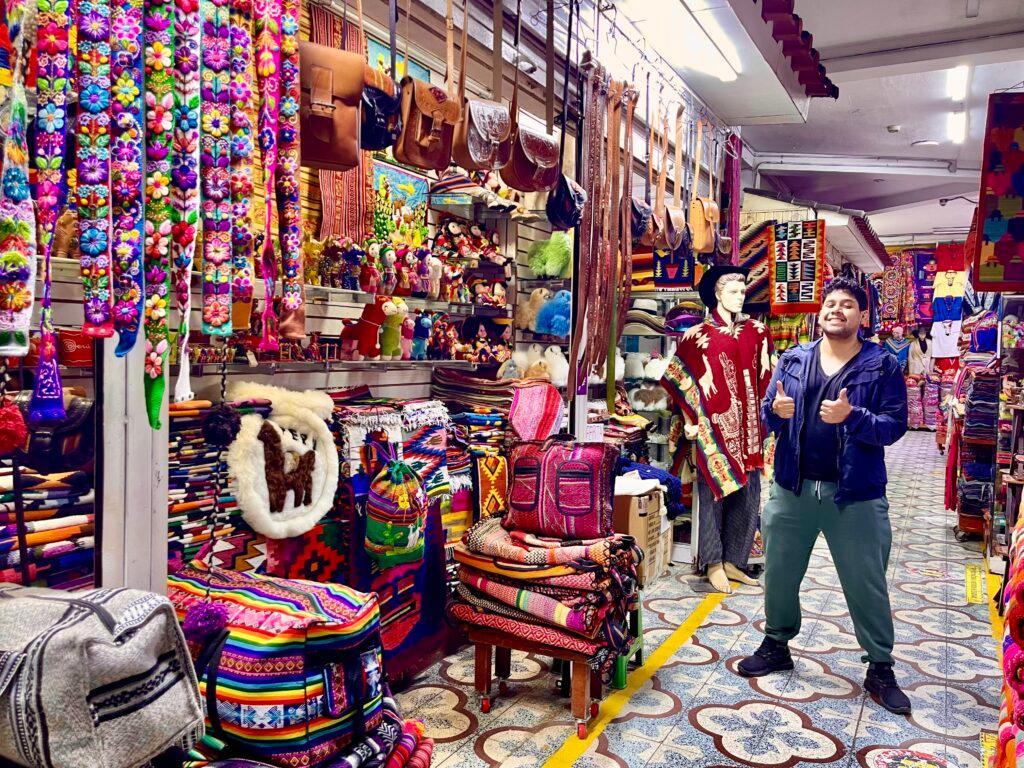
- Small Market Stalls: Vendors inside local food mercados, or artisan or souvenir markets usually take cash only.
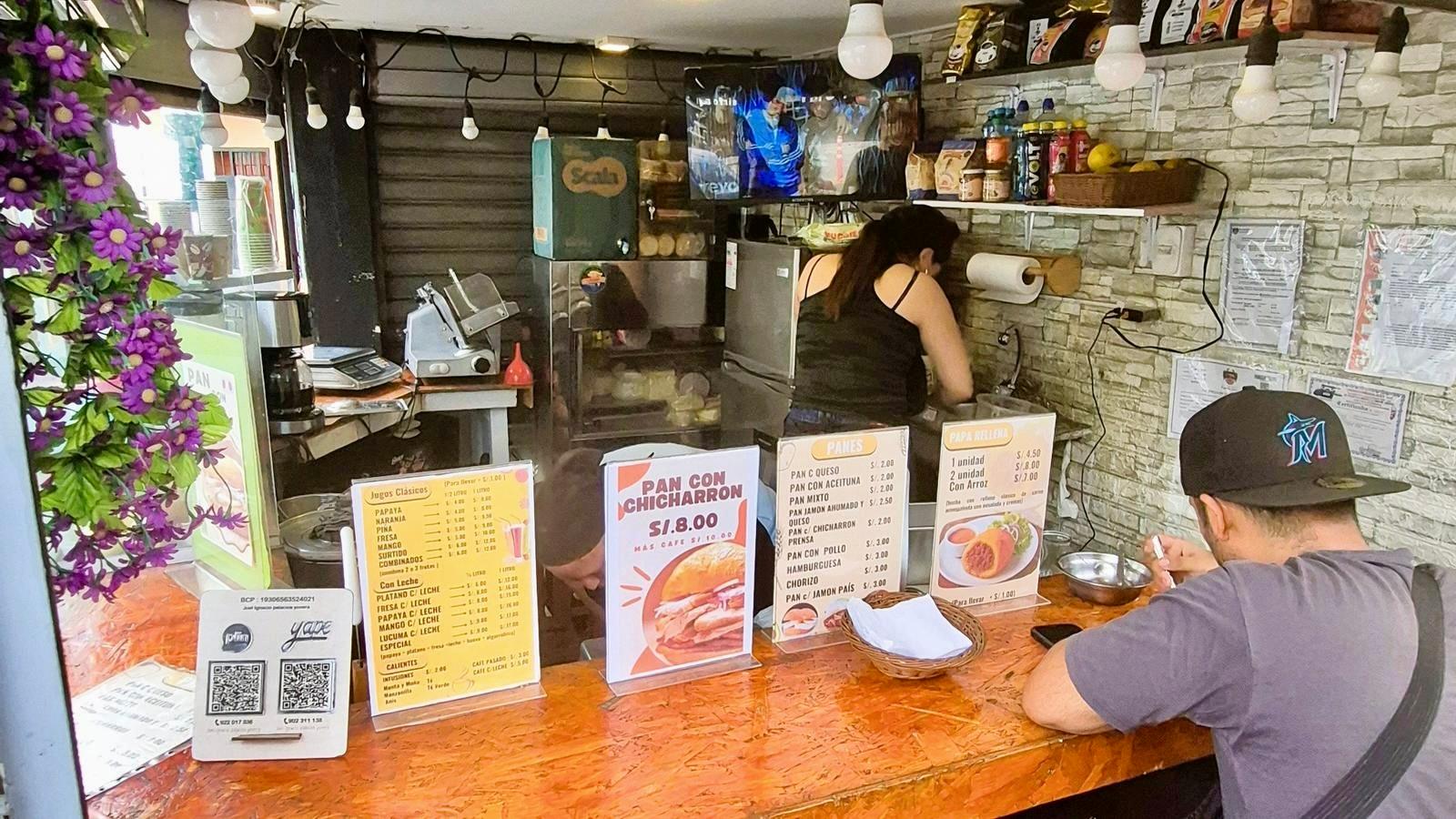
- Street Food Vendors: The small carts selling popular snacks like anticuchos or emoliente require cash.
- Small, Quick Purchases: Buying water from a kiosk, paying for a public restroom, or getting a local bus ticket requires cash.
- Remote Towns: If you travel to smaller towns outside Lima or other regional centers, card machines will be less common. Cash will be necessary there.
Your Travel Wallet: Card First, Cash Second in Peru
We suggest using a specialized travel debit card and limiting the amount of physical cash you carry.
1. Your Primary Tool: A Travel Debit Card
Services like the free Wise debit card are a great choice for travelers. These cards offer low transaction fees and use the correct exchange rate, which saves you money on every purchase.
- App Integration: Link your travel debit card directly to apps like Uber, InDrive, DiDi and Cabify. This is the safest and most efficient way to pay for rides. And it will save you money on currency conversions.
- Security: Using a card for large and common purchases reduces your need to carry large bills, which is safer when walking through busy tourist areas.
2. Your Cash Backup: Soles in Small Bills
Carry only a few hundred Peruvian Soles (S/.) for daily expenses, emergencies, and those small cash-only spots listed above.
Crucial Tip: Always use small bills when paying cash in markets and on the street. Small vendors often cannot break large notes like S/100 or S/200. You should use S/20 and S/50 notes. But if you do have larger bills, you can break these in the chain supermarkets and convenience stores (i.e. PlazaVea, Wong, Oxxo, Tambo).

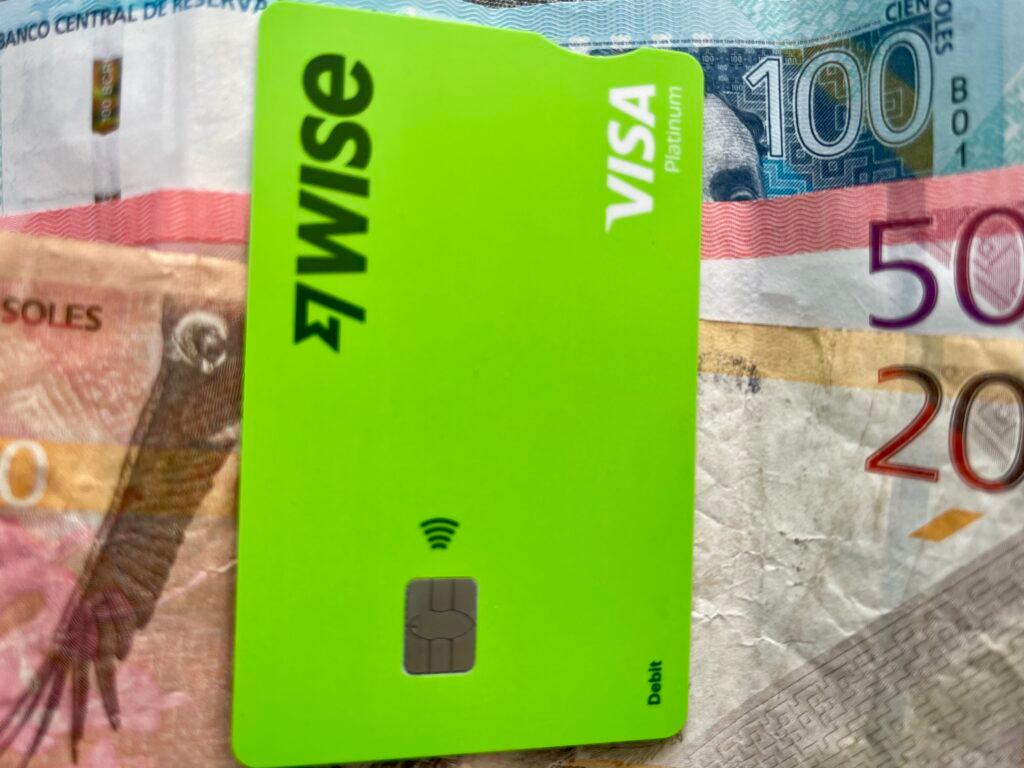
Getting Cash in Peru: The Best ATM for Tourists in Peru
When you need local cash, avoid the poor exchange rates at hotels or airport money desks. Use an ATM, but choose one wisely to save on fees.
The best bank for foreign cards in Peru is Banco de la Nación (BN).
- Fee-Free Withdrawals: Most foreign cards can withdraw cash from Banco de la Nación ATMs without the bank charging a local service fee.
- High Limit: You can usually withdraw up to S/800 per day in S/400 transactions fee free, a much higher limit than most other Peruvian banks.
- Easy to Find: BN ATMs are located in most city centers and airports.
By using a travel card for most of your purchases and keeping a small, secure amount of cash for local markets and street food, you will pay for things just like a local Peruvian. This strategy ensures your money is handled safely and efficiently, leaving you free to enjoy your holiday.
Frequently Asked Questions about Paying in Lima and Across Peru
FAQ
1. Can I use credit or debit cards in Lima?
Yes. Cards are widely accepted in Lima, Arequipa, Cusco, and other major cities. Most restaurants, hotels, supermarkets, and ride-hailing apps take Visa and Mastercard.
2. Do I need to carry cash in Peru?
You should always carry a small amount of Peruvian soles (S/.) for local markets, street food, small kiosks, and public transportation. However, most of your daily spending can be done by card.
3. What’s the best travel card to use in Peru?
A low-fee travel debit card such as Wise is ideal. It uses the real exchange rate, offers good security, and integrates easily with apps like Uber, DiDi, and Cabify.
4. Where can I get cash in Peru?
Use Banco de la Nación (BN) ATMs whenever possible. They usually don’t charge local fees for foreign cards and have higher withdrawal limits than other banks.
5. Is it safe to use ATMs and pay by card in Lima?
Yes, but only use ATMs located in secure places (inside banks, malls, or supermarkets). Avoid standalone street ATMs and always cover your PIN.
6. What denominations of cash should I carry?
Carry smaller bills—S/20 and S/50 notes—since many small vendors can’t make change for S/100 or S/200 notes. You can break large bills at supermarkets and convenience stores.
7. Can I use Apple Pay or Google Pay in Peru?
Yes, increasingly so. Most stores and cafes in Lima and Cusco accept contactless payments via Apple Pay and Google Pay, especially in tourist areas.
8. What currency should I withdraw or carry?
Always withdraw and carry Peruvian soles (PEN). U.S. dollars are accepted only in a few upscale locations, and exchange rates can be poor outside official exchanges.





For Cusco, with a credit card from Europe, there are always fees when withdrawing money. With a card from France, I found out that Caja Arequipa is where the bank fees were the cheapest, not Banco de la Nacion. Caja Cusco is not bad either. Banco de la Nacion in Cusco often has hours of line and doesn’t care about their customers. Sometimes, for government payments, you need to deal with that bank, but it’s always better to find an agent for them. The last time I went to a Banco de la Nacion agency, not only they refused a tiny payment after more than one hour of waiting, but I was also violently insulted. Avoid their agencies …
Have you tried Wise? It’s what we use and recommend. I’m Australian and I use Wise in Peru more often than I use my local Peruvian bank accounts.
Wise has s/400 per day fee free through the automated machines. It used to be 2 transactions but Banco de la Nacion has reduced it to a single transaction per day.
https://pueblolibrelima.com/recommends/wise-card-peru/