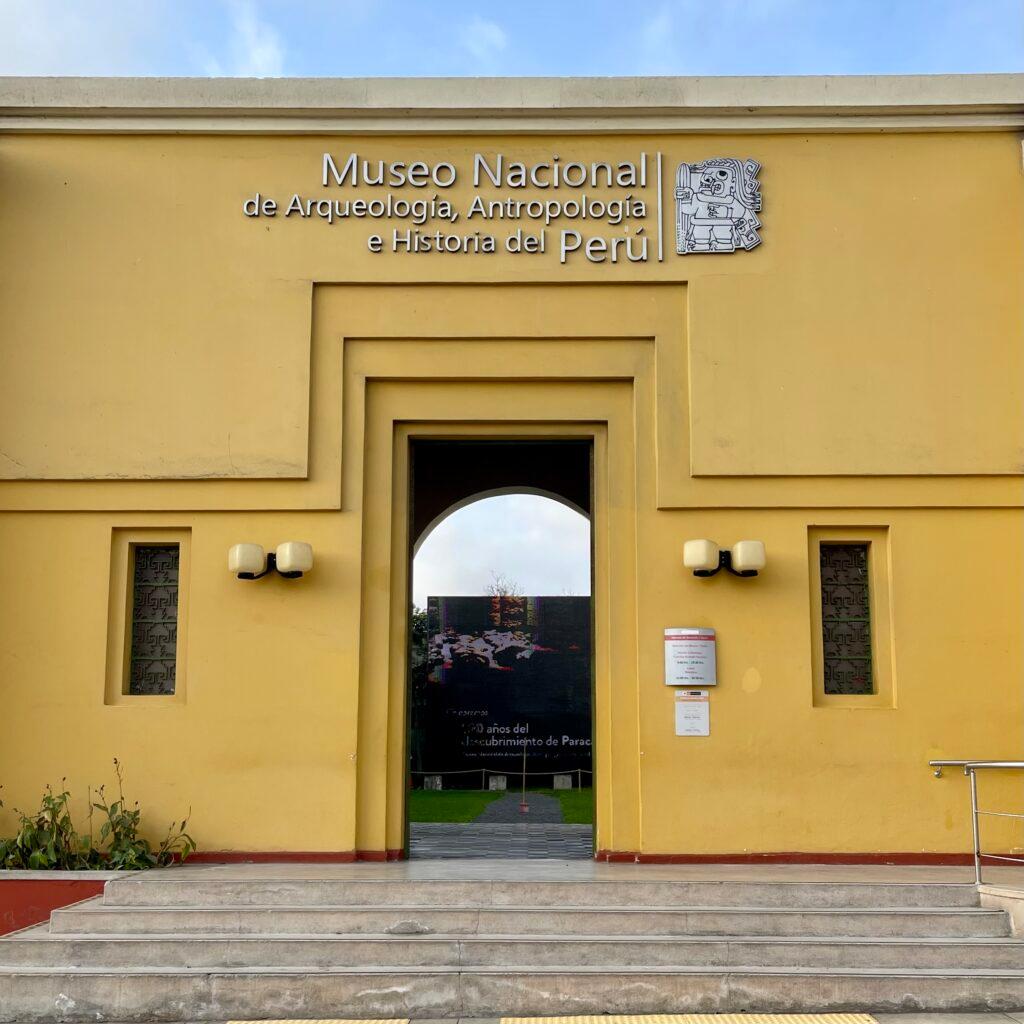
If you’re visiting Lima, Peru, and want to dive deep into the country’s ancient civilizations and rich cultural heritage, there’s one place you absolutely can’t miss — the National Museum of Archaeology, Anthropology, and History of Peru (MNAAHP).
Peru’s Oldest and Most Important Museum
Located on Plaza Bolívar in the historic district of Pueblo Libre, the MNAAHP isn’t just another museum — it’s the birthplace of Peruvian museology.
Founded in 1822 by General José de San Martín, this museum holds the honor of being Peru’s first and oldest museum, established during the earliest years of the Republic.
For more than two centuries, it has served as the guardian of Peru’s national heritage, preserving the cultural memory of one of the most diverse and ancient civilizations on Earth.
A Collection That Tells Peru’s Entire Story
The MNAAHP houses the largest collection of archaeological artifacts in Peru, spanning thousands of years of human history. Visitors can explore exhibits from the earliest pre-ceramic cultures, through the glory of the Inca Empire, and into the colonial and republican eras.
Highlights include:
- Intricately painted ceramics and woven textiles
- Ancient mummies and metalwork from across the Andes
- Historical documents and relics from Peru’s fight for independence
Together, these collections create a vivid timeline of Peru’s evolution — from early civilizations like Caral, Paracas, Nazca, and Moche, to the rise of the Incas and the transformation that followed Spanish colonization.


The Heart of Peru’s Archaeological Research
By Peruvian law, all newly discovered archaeological artifacts must first be presented to this museum.
This constitutional requirement makes the MNAAHP the official guardian of Peru’s archaeological legacy, ensuring that each discovery is properly preserved, catalogued, and made accessible to future generations.
It’s not just a museum — it’s the intellectual and cultural heart of Peru’s archaeology and anthropology.
A Must-Visit Destination in Pueblo Libre
The museum’s location adds another layer of significance. It sits directly on Plaza Bolívar, one of Lima’s most historic squares, and next to the Magdalena Palace (also known as the Quinta de los Libertadores).
This former presidential residence served as the seat of government during the War of the Pacific and was home to both Simón Bolívar and José de San Martín — two heroes of South American independence.
Together, these landmarks create a powerful historical complex that allows visitors to walk through the same spaces where Peru’s modern identity was born.
Travel Tip: Note where the bust of Simón Bolívar on Plaza Bolivar is facing. It’s looking away from the government buildings, over the original 1742 fountain from the Plaza Mayor and directly at the former home in Lima of Manuela Saenz.


Why You Should Visit the MNAAHP
A visit to the National Museum of Archaeology, Anthropology, and History of Peru is far more than a museum stop — it’s a journey through 14,000+ years of Peruvian civilization.
From ancient artifacts to independence-era relics, every exhibit tells part of the story of what makes Peru one of the world’s most culturally rich nations.
If you’re planning a trip to Lima, set aside a few hours (or more) to explore this world-class institution. It’s an essential experience for anyone interested in archaeology, anthropology, history, or Peruvian culture.
Frequently Asked Questions About the National Museum of Archaeology, Anthropology, and History of Peru
1. What is the National Museum of Archaeology, Anthropology, and History of Peru?
The National Museum of Archaeology, Anthropology, and History of Peru (MNAAHP) is the oldest and most important museum in Peru, founded in 1822 by General José de San Martín. It houses thousands of artifacts spanning from ancient pre-ceramic cultures to the Inca Empire, the colonial era, and the early Republic, making it the cultural heart of Peru’s history.
2. Where is the museum located?
The museum is located on Plaza Bolívar in the Pueblo Libre district of Lima, Peru.
Address: Plaza Bolívar s/n, Pueblo Libre, Lima.
It’s easily accessible by taxi, rideshare, or public transportation, and it’s surrounded by other historic landmarks that can be visited on the same day.
3. What can you see at the MNAAHP?
Visitors will find Peru’s largest collection of archaeological and historical artifacts, including:
- Ancient ceramics, textiles, and metalwork
- Mummies and Inca artifacts
- Colonial-era art and documents
- Interactive exhibits for visitors of all ages
The museum tells the story of Peru’s civilizations from the earliest settlements to modern independence.
4. How much time should I spend at the museum?
Most visitors spend about 2 to 3 hours exploring, but history enthusiasts often stay longer to appreciate the vast range of exhibits.
5. Is the museum suitable for children or families?
Yes. The MNAAHP is family-friendly, offering engaging displays that make Peruvian history accessible for visitors of all ages.
6. When is the museum open?
The museum is open Tuesday through Sunday, from 9:00 AM to 7:30 PM, and closed on Mondays and public holidays.
Arriving before 6:00 PM is recommended to allow enough time to see the main galleries.
7. How much does it cost to visit?
Admission is free for all visitors. This makes it one of Lima’s best-value attractions for anyone interested in culture, history, or archaeology.
8. Are guided tours available?
Yes. The museum offers guided tours in Spanish and English, led by experts who provide deeper insights into Peru’s archaeological discoveries and historical evolution. Group tours can be arranged in advance.
9. Can you take photos inside the museum?
Yes, photography is allowed without flash. Flash and tripods are restricted to protect fragile artifacts, but visitors are welcome to take personal photos throughout the museum.
10. What other attractions are nearby?
Tourists can easily combine their visit to the MNAAHP with several nearby landmarks in Pueblo Libre, including:
- Quinta de los Libertadores (Magdalena Palace) – historic home of Simón Bolívar and José de San Martín
- Boulevard del Criollismo – a cultural street celebrating Peru’s musical and artistic traditions
- Antigua Taberna Queirolo – Lima’s oldest tavern, perfect for traditional Peruvian food and pisco
- Santa María Magdalena Church – Lima’s oldest rural church, steps from the museum
- Mateo Salado Archaeological Complex – The largest archaeological site in Lima, within walking distance
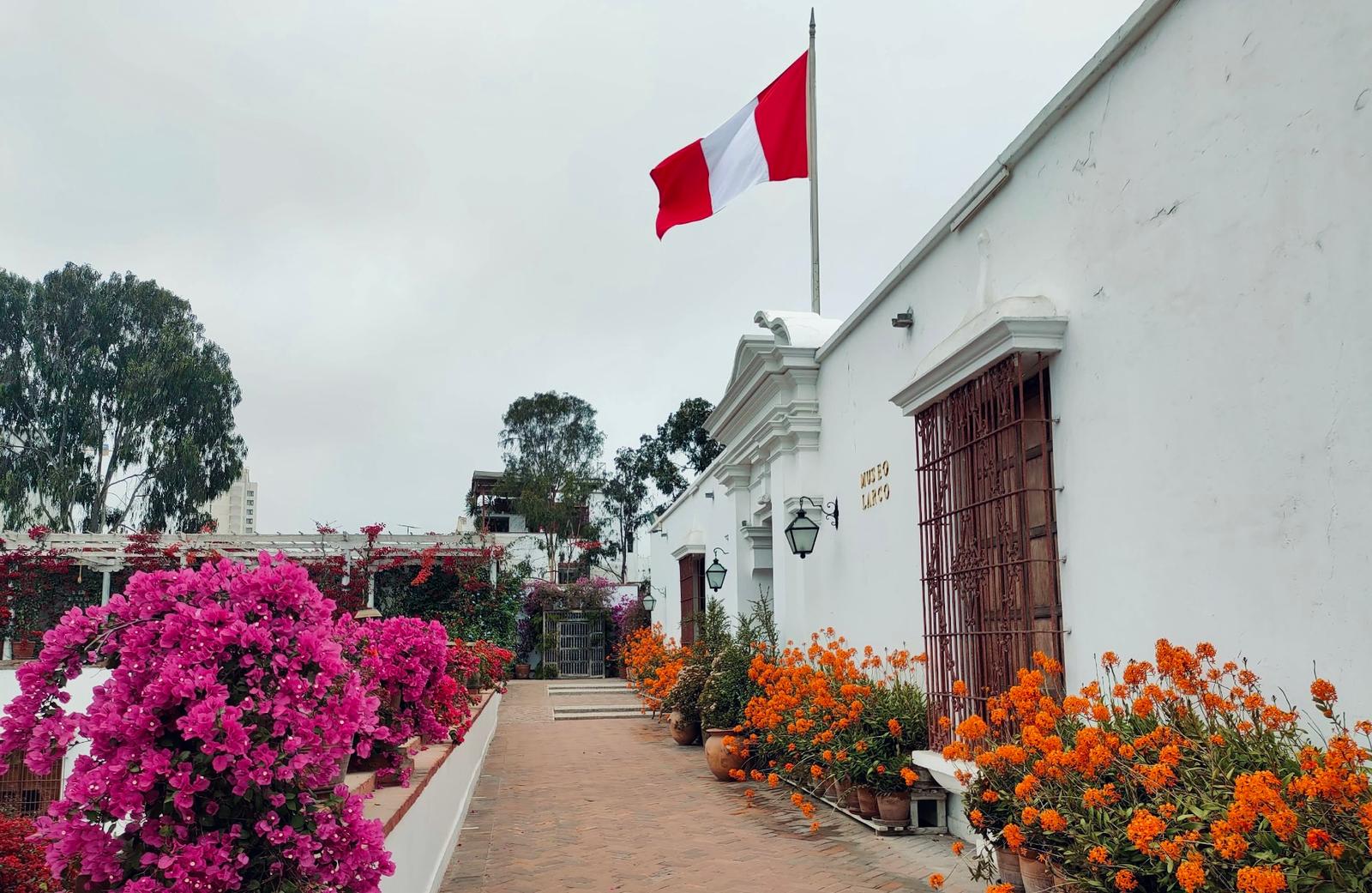
- Larco Museum – Peru’s most acclaimed museum, located just a short walk away
These nearby attractions and more, make Pueblo Libre Lima’s most rewarding neighborhood for visitors seeking culture, history, and authentic Peruvian experiences.
11. Why should I visit this museum instead of others in Lima?
The MNAAHP offers the broadest and most complete overview of Peru’s history in a single location. While museums like Larco Museum focus on pre-Columbian art, the MNAAHP connects every era — from ancient civilizations to modern independence — making it the best starting point for understanding Peru’s cultural identity.