If you want to understand the identity of Lima, you must head inland to Pueblo Libre. This district operates as the historical and cultural engine of the capital. While many visitors overlook this area, it’s the primary destination for navigating the intersection of colonial power, revolutionary strategy, and over 10,000 years of Andean civilization.
In 2026, the district continues to provide a concentrated look at the forces that shaped the South American continent. Whether you are here to examine pre-Columbian ceramics or to stand in the rooms where the Republic of Peru was conceived, these are the nine essential experiences in the district.
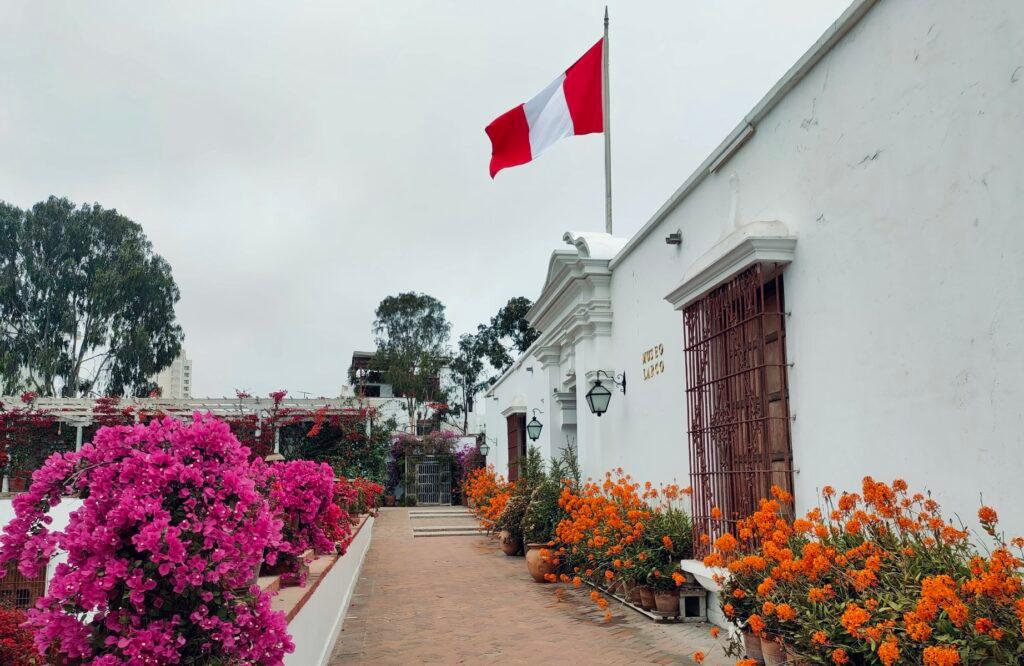
1. Master the Collections of the Larco Museum
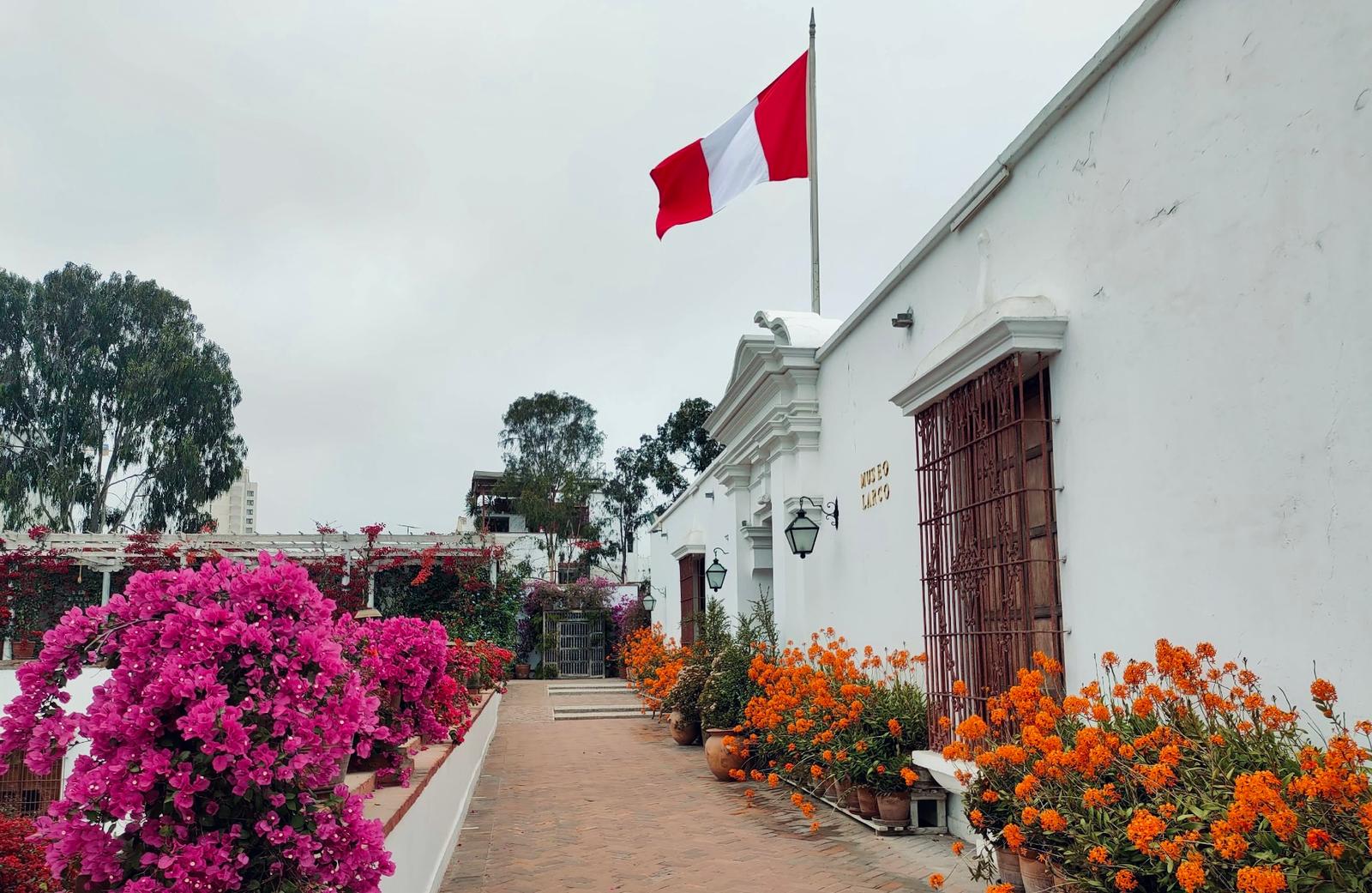
The Larco Museum remains the definitive private archive of ancient Peru. It’s housed in an 18th-century vice-regal mansion, which was remarkably constructed atop a 7th-century pyramid. Consequently, the site is a physical manifestation of the country’s chronological layering.
The museum is globally recognized for its Erotic Gallery. This section provides a blunt, sophisticated look at how the Moche culture viewed the connection between the physical and spiritual worlds. Beyond the gold and silver galleries, make sure to access the visible storage area. This massive repository contains over 30,000 cataloged ceramic pieces, offering a scale of history that few institutions worldwide can match.
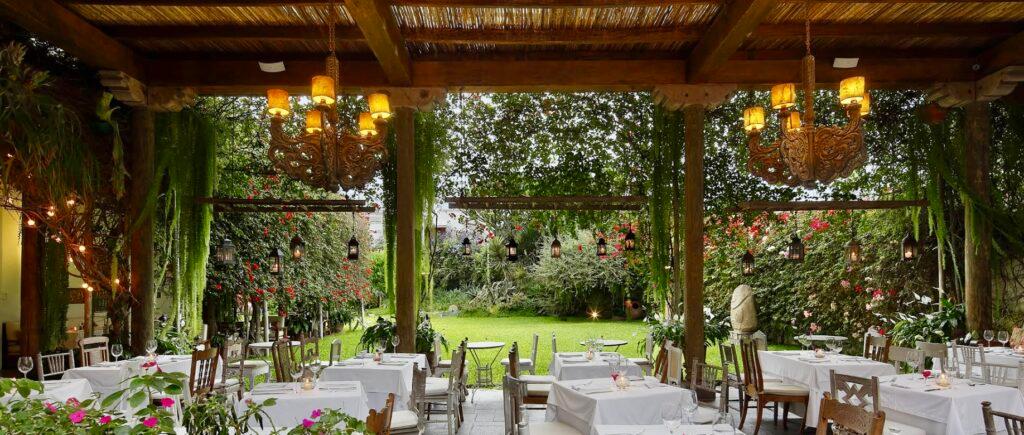
Travel Tip: Be sure to visit the Larco Museum’s acclaimed restaurant. It’s set amidst the museums gardens and is widely considered the most romantic restaurant in Lima.
2. Enter the Quinta de los Libertadores
Located next door to the National Museum of Archaeology, Anthropology, and History, the Quinta de los Libertadores is the most significant political landmark in the district. This grand estate served as the residence and command center for the two most influential figures in South American history: José de San Martín and Simón Bolívar.
Walking through these preserved halls allows you to see the actual furniture and rooms where the independence of Peru was plotted. Because this was a theater of war and diplomacy, standing in the very office where Bolívar drafted his correspondence offers a visceral connection to the past. In 2026, the museum continues to maintain these quarters with rigorous historical accuracy.
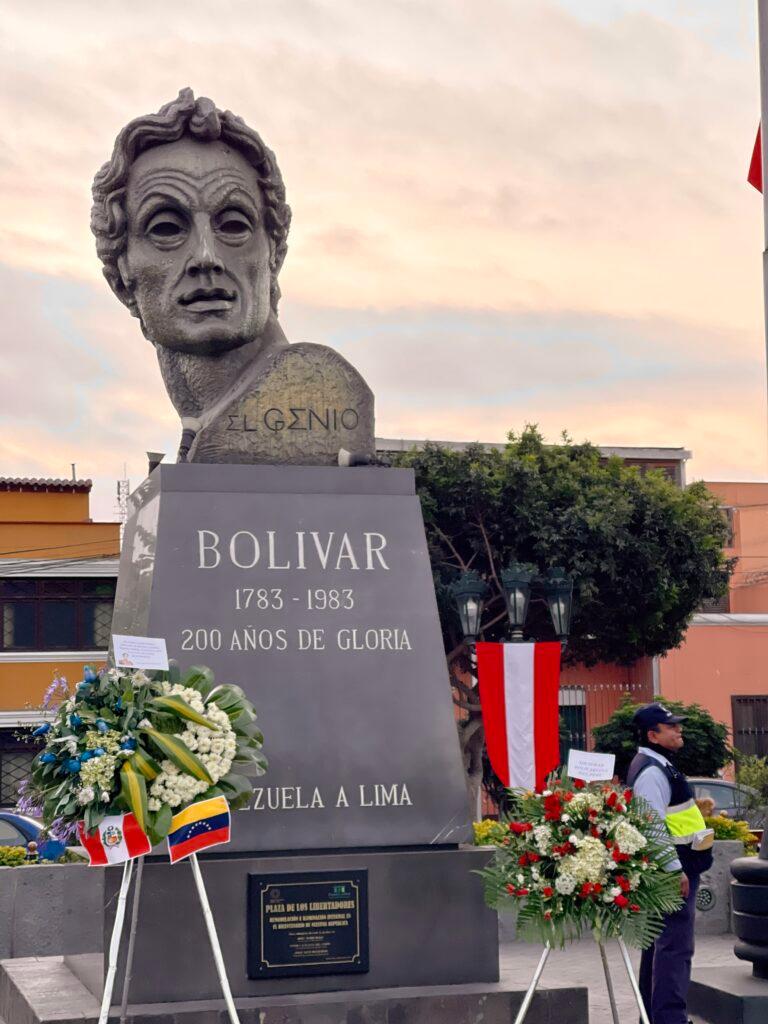
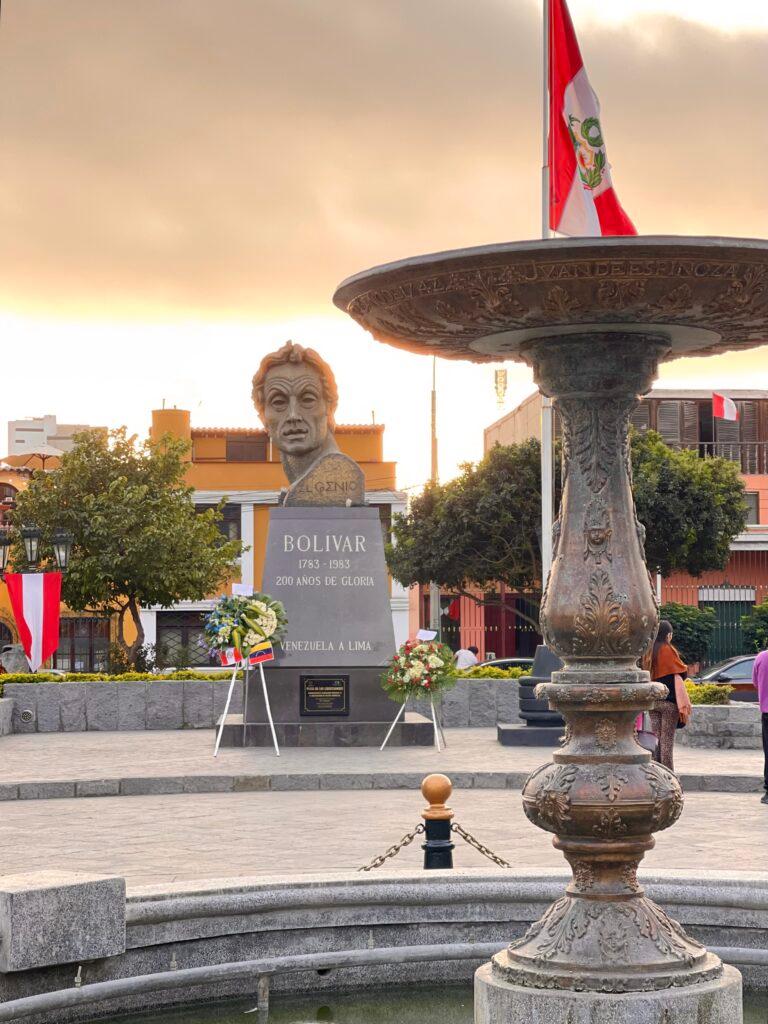
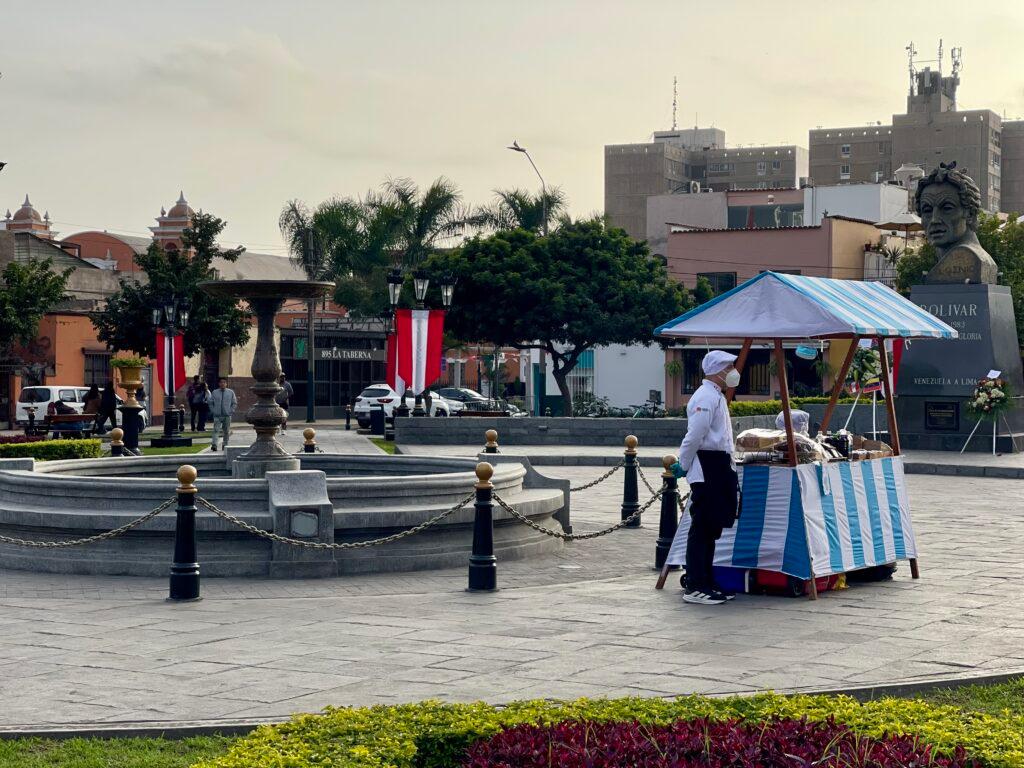
Travel Tip: Note that the bust of Simon Bolivar looks away from the Quinta de los Libertadores. It is looking back, over the original fountain from Lima’s Plaza de Armas, to the former home in Lima of Manuela (Manuelita) Saenz.


3. Survey the National Museum of Archaeology
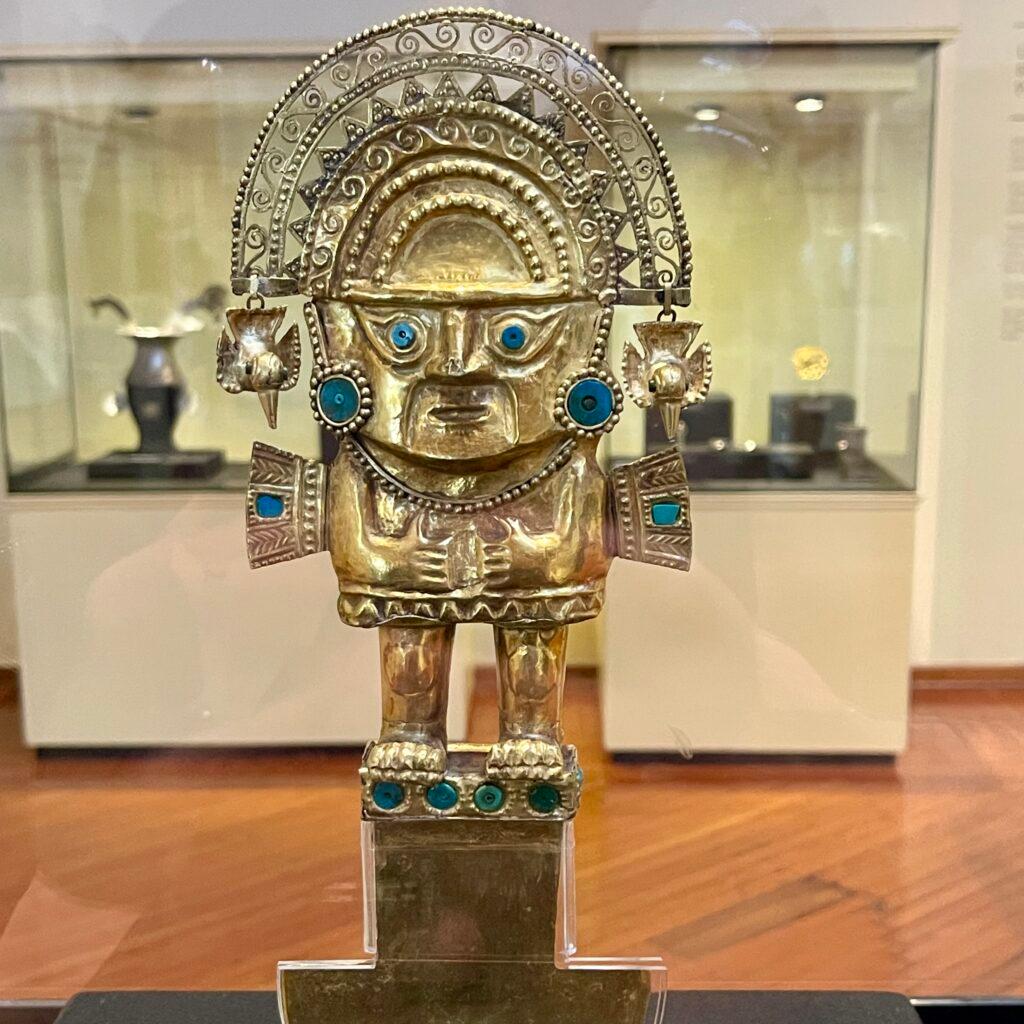
After exploring the revolutionary quarters, you should head into the main galleries of the National Museum of Archaeology, Anthropology, and History of Peru. As the oldest state museum in the country, it serves as the primary guardian of the nation’s heritage.
The exhibits provide a comprehensive timeline of human achievement in the Andes. You can trace the evolution of power from the earliest hunter-gatherer societies through the development of complex cultures like the Chavín and Wari. This journey culminates in the imperial expansion of the Inca. Therefore, the museum provides the necessary context to understand the sheer scale of the region’s history.




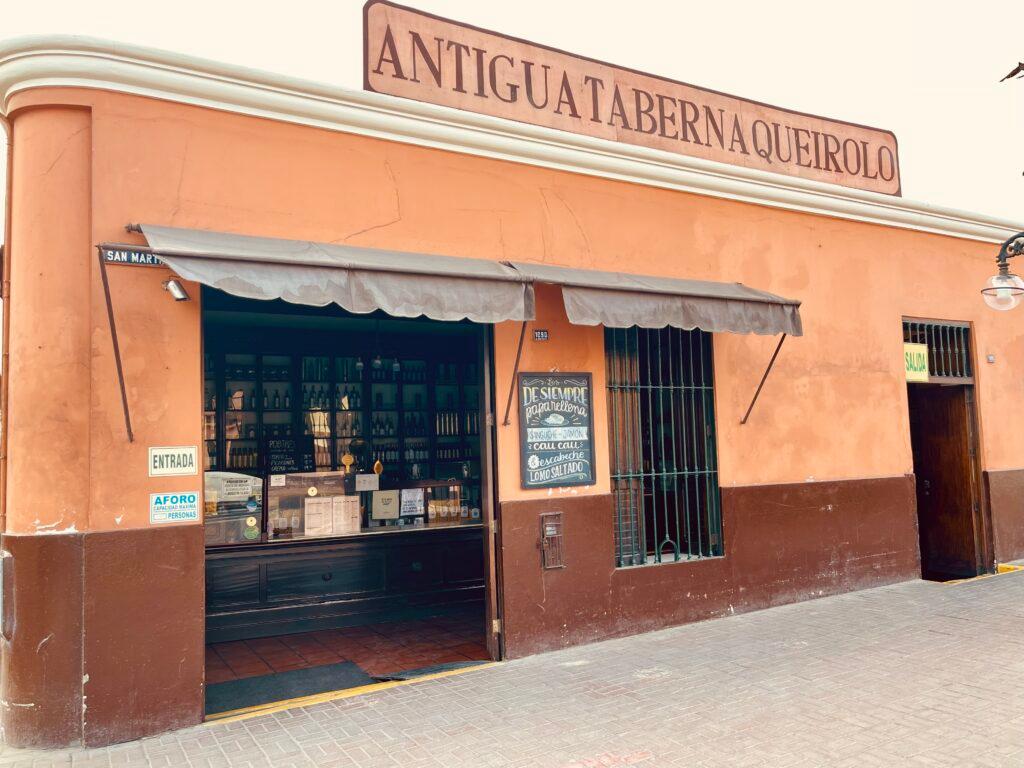
4. Experience the Atmosphere of Antigua Taberna Queirolo
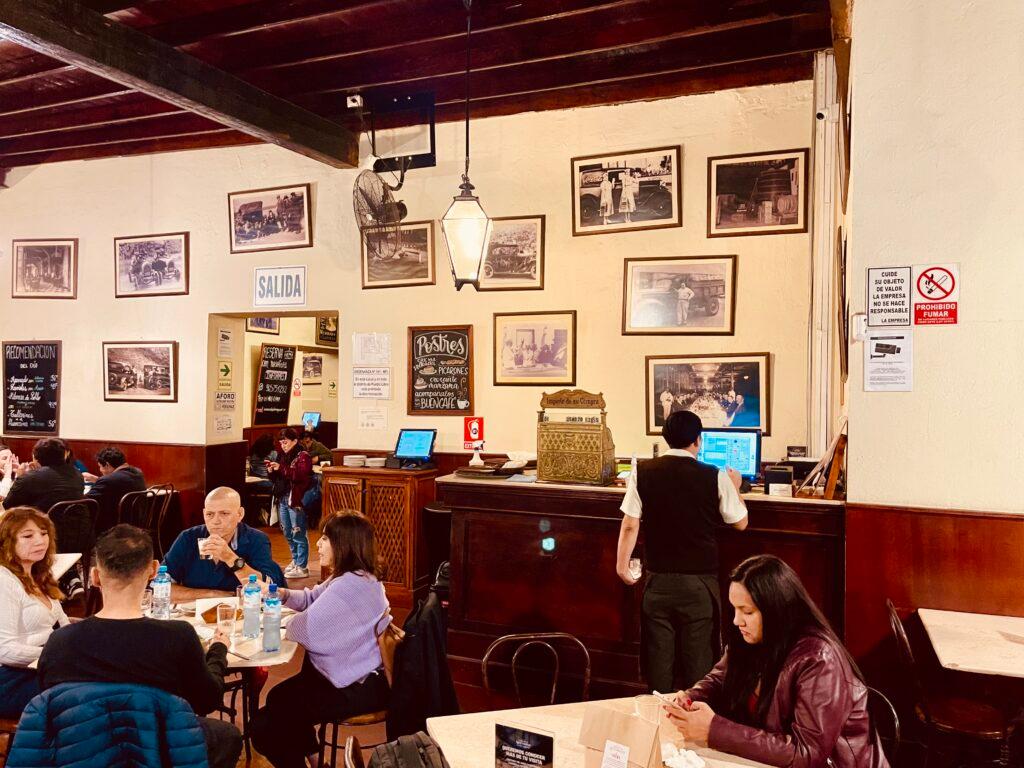
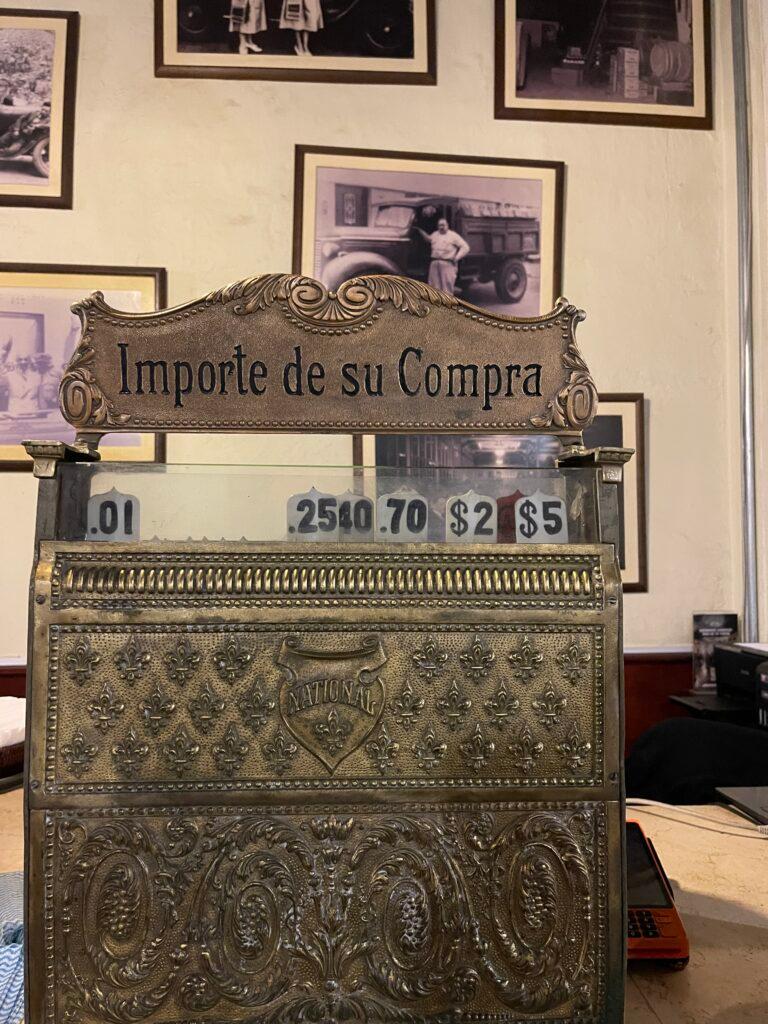
Since 1880, Antigua Taberna Queirolo has functioned as the social anchor of Pueblo Libre. This is not a manufactured tourist destination; instead, it is a living institution where the atmosphere of 19th-century Lima remains intact.
With its high ceilings and marble-topped tables, the tavern is the premier location to consume a classic Pisco Sour or a Chilcano. The Queirolo family has been producing wine and Pisco for over a century, and the tavern remains the best place to sample their legacy. Furthermore, you should pair your drink with a butifarra—the traditional Peruvian ham sandwich—for a fundamental neighborhood ritual.
5. Examine the Catacombs at Santa María Magdalena
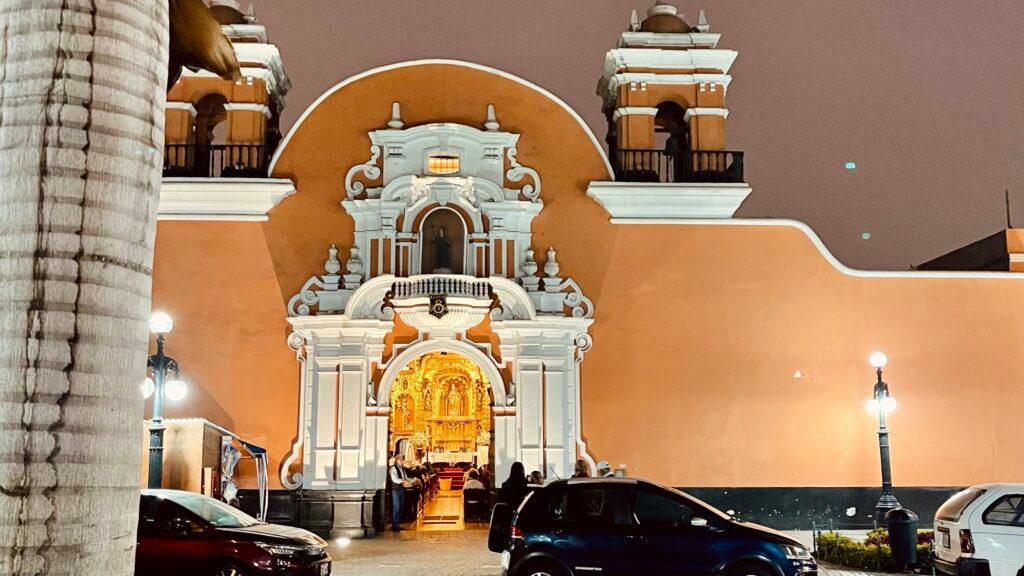
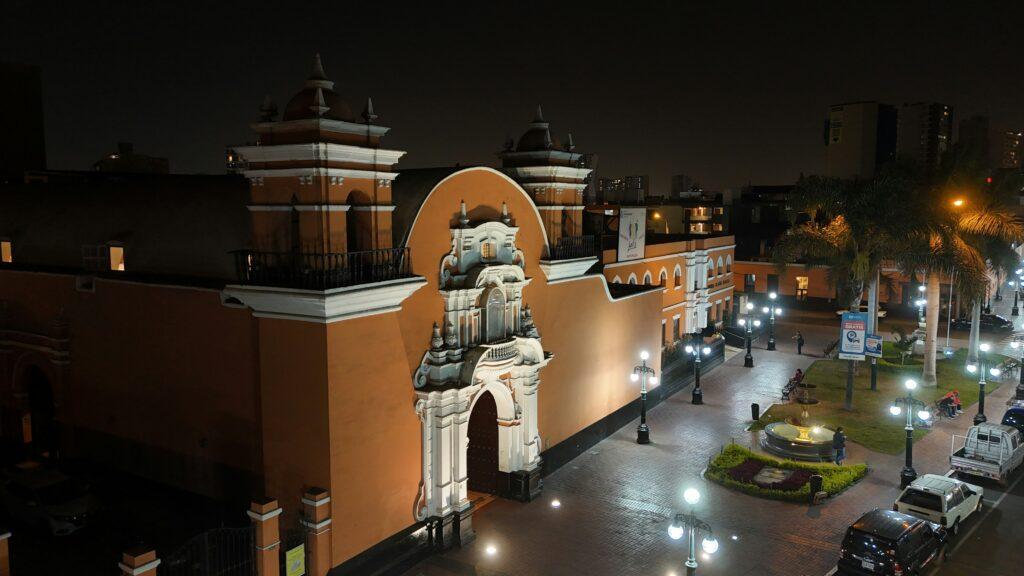
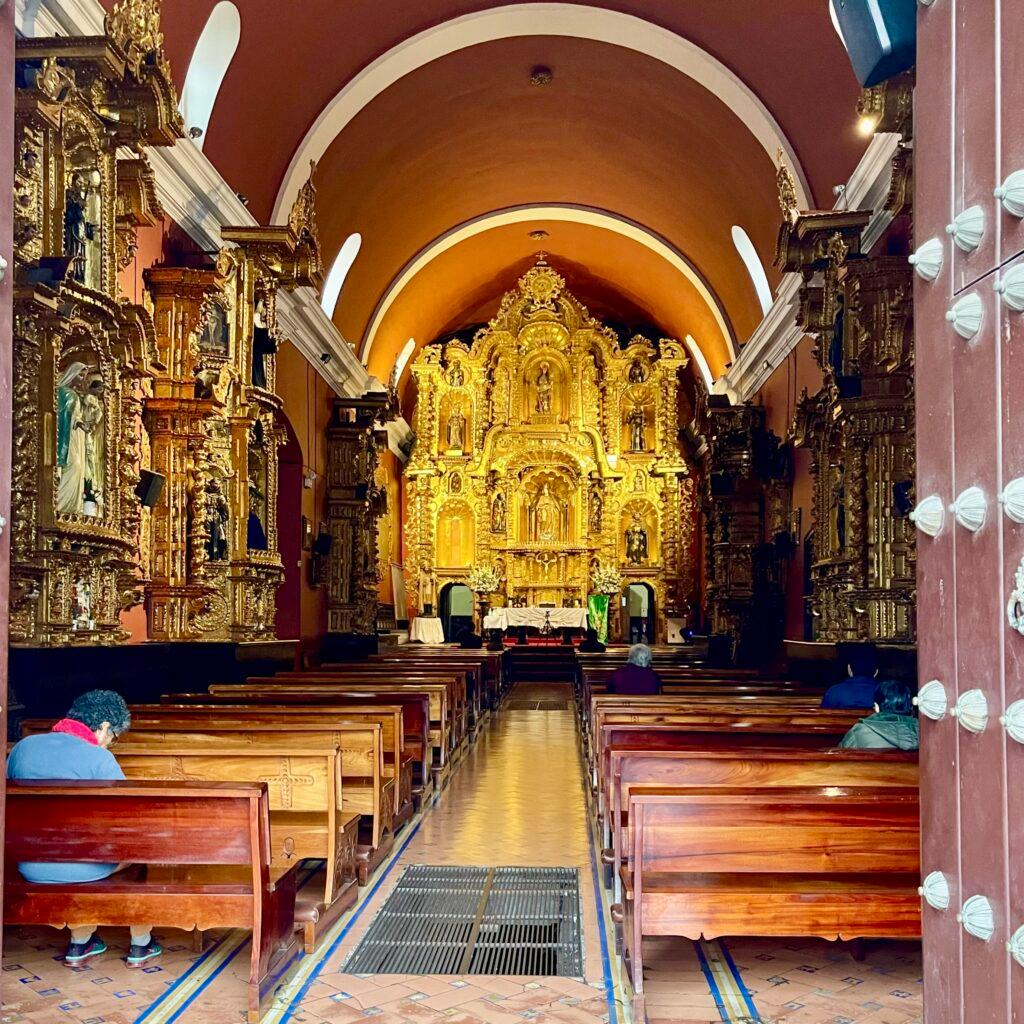
Established in 1557, the Church of Santa María Magdalena is one of the oldest structures in the city. The interior is a masterpiece of colonial art, characterized by intense, gold-leaf Baroque altars that reflect the wealth of the era.
However, the most visceral feature is the series of metal gates built into the floor. These openings allow visitors to look directly down into the ancient catacombs and burial chambers located beneath the sanctuary. Because these gates provide a raw, unfiltered look at the foundations, it serves as a stark reminder of the centuries of lives that have passed through this space.
6. Locate the Pizarro Cross (Cruz del Viajero)
Not far from the main plaza stands the Cruz del Viajero, or Traveler’s Cross. This monument was remarkably placed by Francisco Pizarro during the early years of the Spanish arrival.
Historically, this cross served as a final symbolic landmark for those departing the city limits to head back to the port of Callao or into the rugged interior of the country. Today, it marks the precise point where the Spanish conquest began to push beyond the initial settlement.
Consequently, it remains one of the oldest colonial markers in the Americas. And it stands as a silent witness to the transformation of the region.
7. Eat Traditional Criollo at El Bolivariano
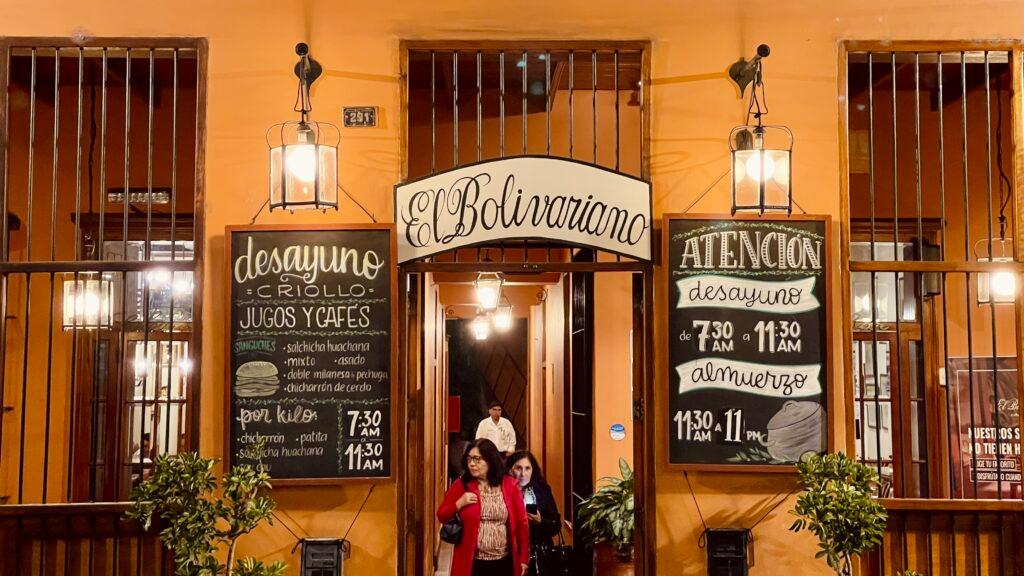
Housed in a meticulously renovated colonial mansion, El Bolivariano is a primary destination for traditional “criollo” dining. The restaurant is famous for its extensive buffet and its commitment to classic Peruvian recipes like Ají de Gallina.
The environment is professional yet bustling, reflecting the communal, social nature of traditional Peruvian meals. Specifically, the high-ceilinged dining rooms and central courtyard provide a setting that feels consistent with the district’s republican history. It remains a favorite for local families, especially during Sunday lunches when the spirit of the neighborhood is most evident.
8. Navigate the Street Food Elite: Chicharrones to Anticuchos
Pueblo Libre contains some of the most respected street food and casual dining experiences in Lima. These are institutions with decades of history:
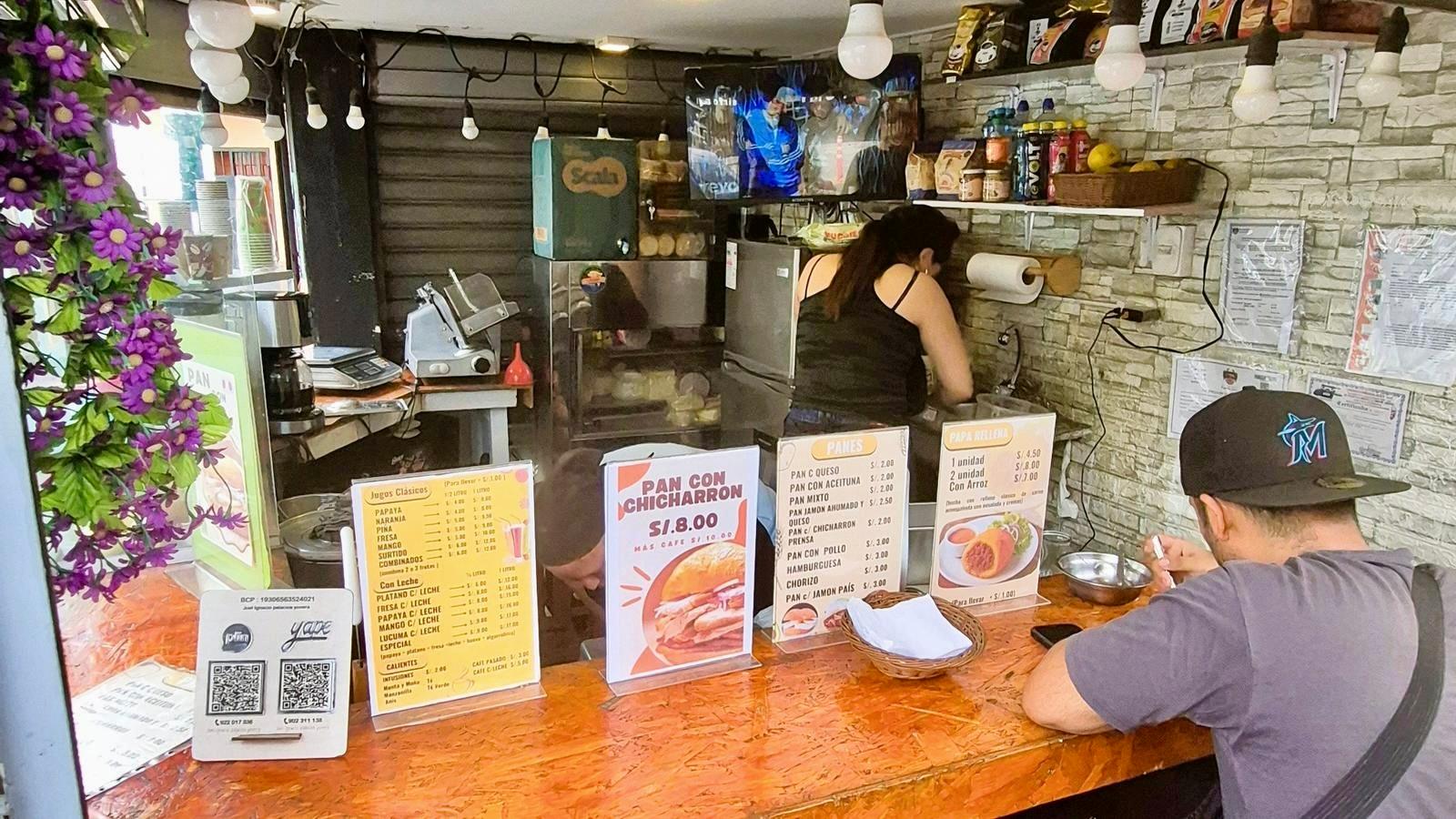
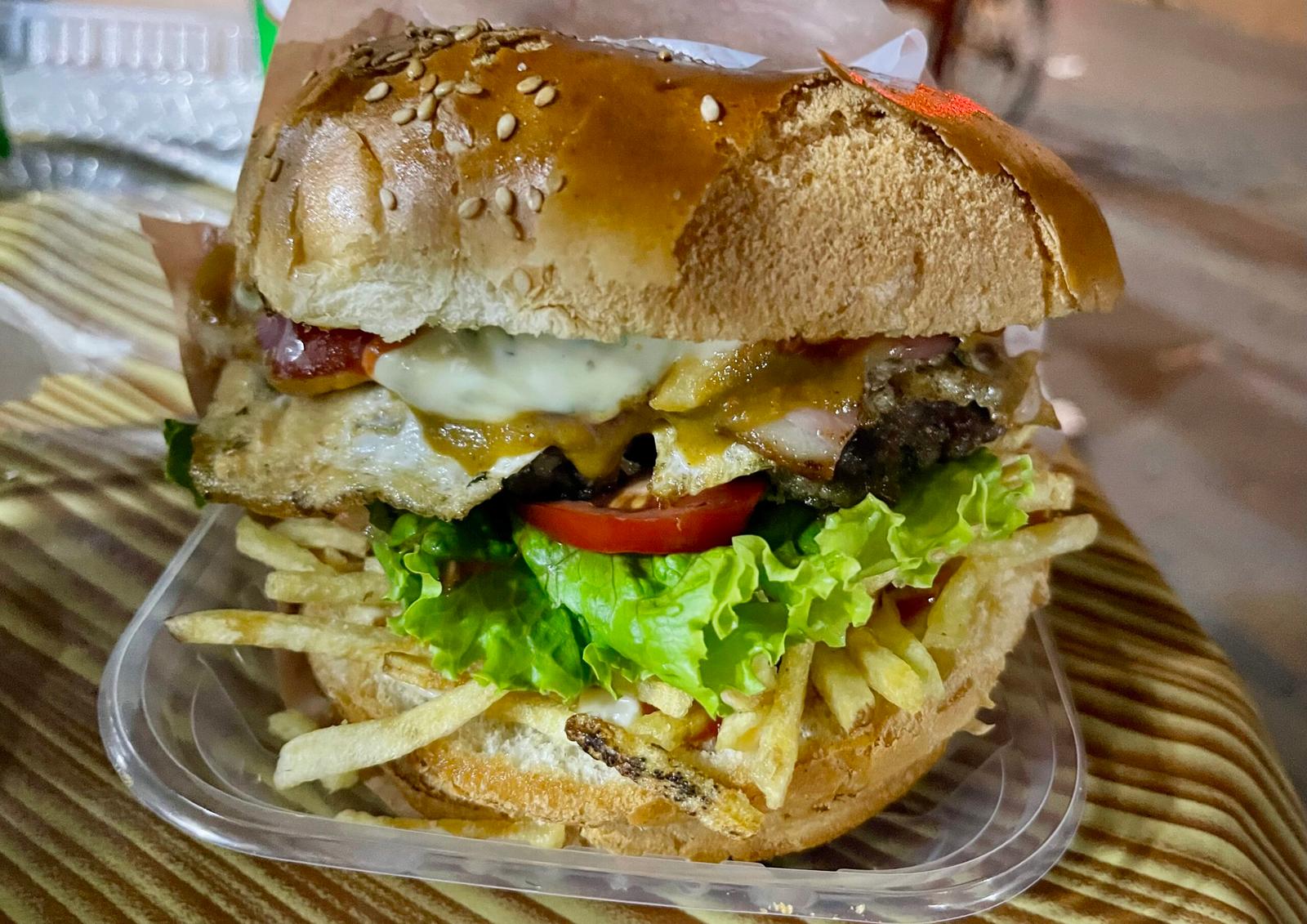
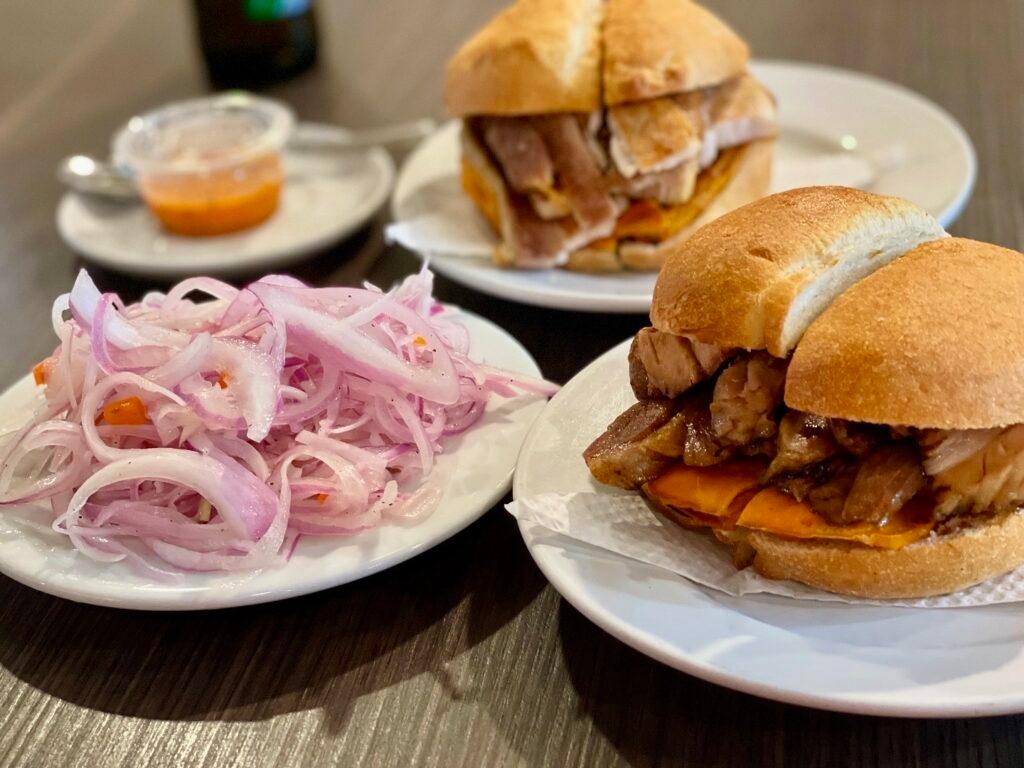
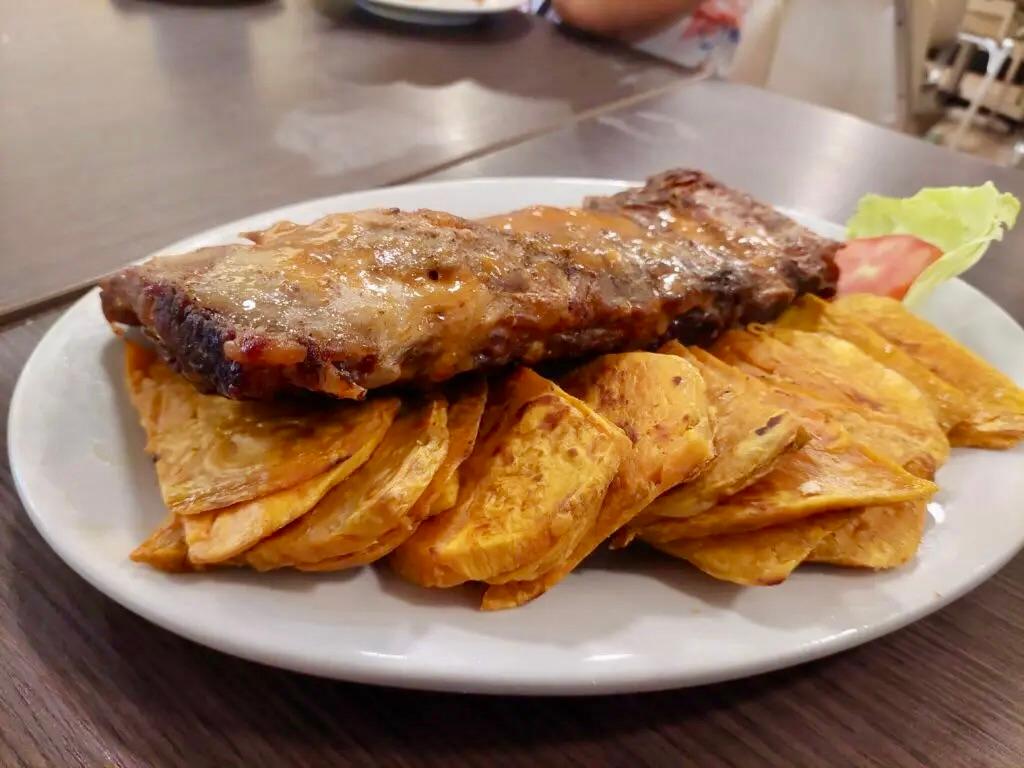
- Chicharrones Don Lucho: This is the definitive stop for fried pork. Their pan con chicharrón is a breakfast rite of passage in the district.
- La Norteña: This spot is widely considered to serve the best anticuchos in Lima. These charcoal-grilled veal hearts represent the pinnacle of Limeño street food.
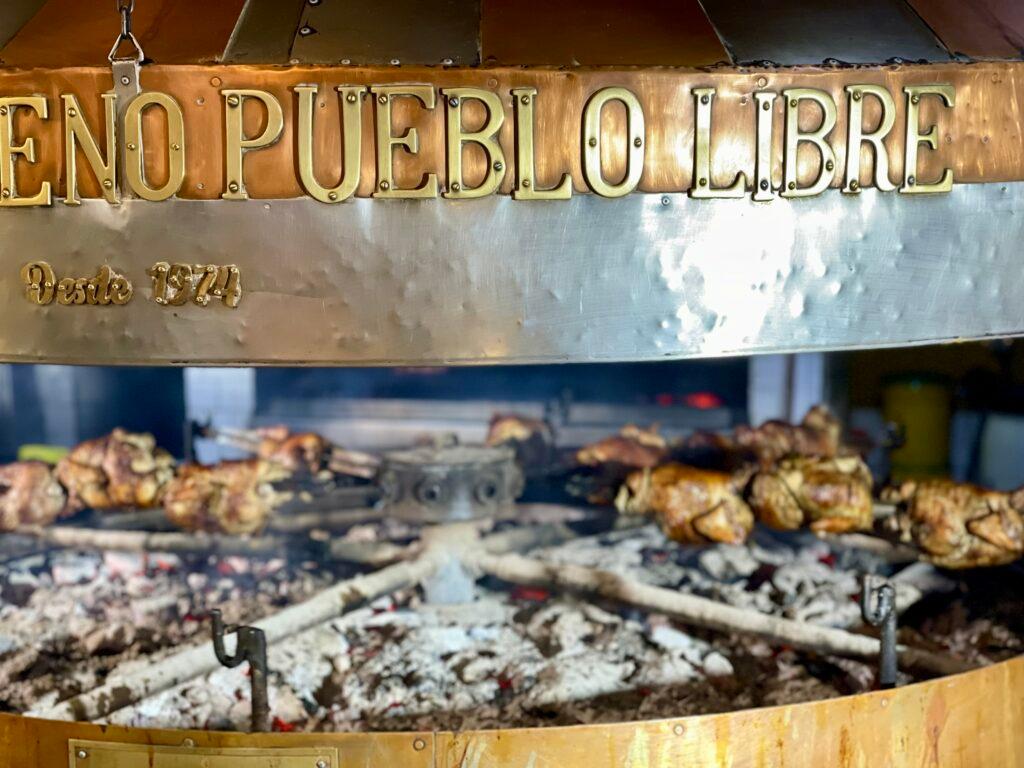
- Gran Parrillada Timbo: Famous for its unique horizontal rotisserie, this institution serves charcoal-grilled meats that have kept the dining room packed for years.
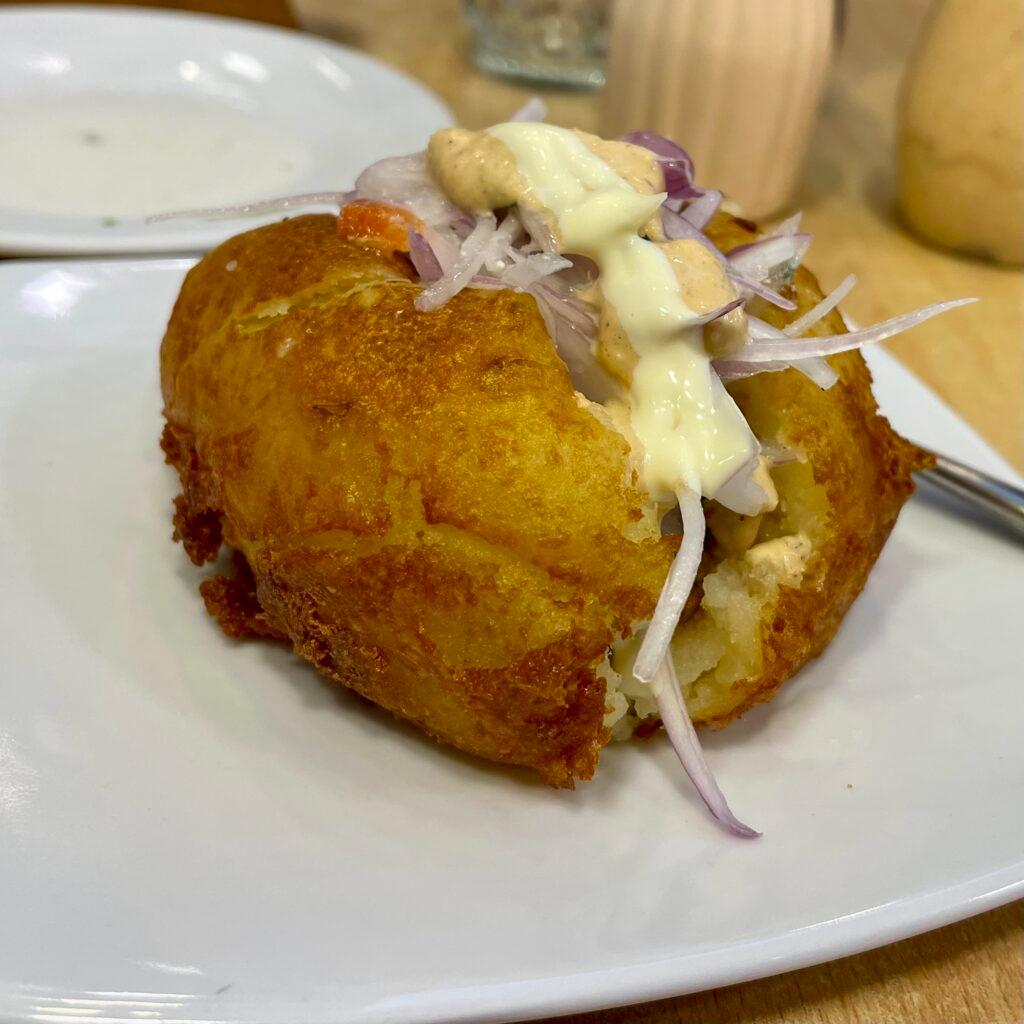
- Todo Dulce: For a final treat, Todo Dulce provides a focused selection of classic limeño desserts like mazamorra morada. Yet, it’s known locally for its Papa Rellena (meat stuffed potato).

9. Nightlife: Salsa, Craft Beer, and the Bolívar Circuit
Nightlife in Pueblo Libre is centered around a specific circuit of high-energy venues that prioritize live music and local craft culture. This isn’t a district of quiet lounges; rather, it’s where the city comes for salsa and massive social gatherings.
The Bolívar Convention Center (Barley Bar) is the heavyweight of the area, frequently hosting major salsa events and concerts. Nearby, Quinta Bolívar offers a sprawling, historic environment that combines the district’s colonial aesthetic with a lively social scene.
For those seeking live music, Patio Jarana is an essential stop for Creole rhythms. Meanwhile, the craft beer scene has found a home at spots like Hops, Pasión Cervecera, Mi Tercer Lugar, Tempo Bar, Bohemia Taberna Cultural and Munich Beer Company. These bars offer a curated selection of Peruvian craft brews in environments that stay busy well into the early hours of the morning.
Seasonal Highlights: When to Visit Pueblo Libre in 2026
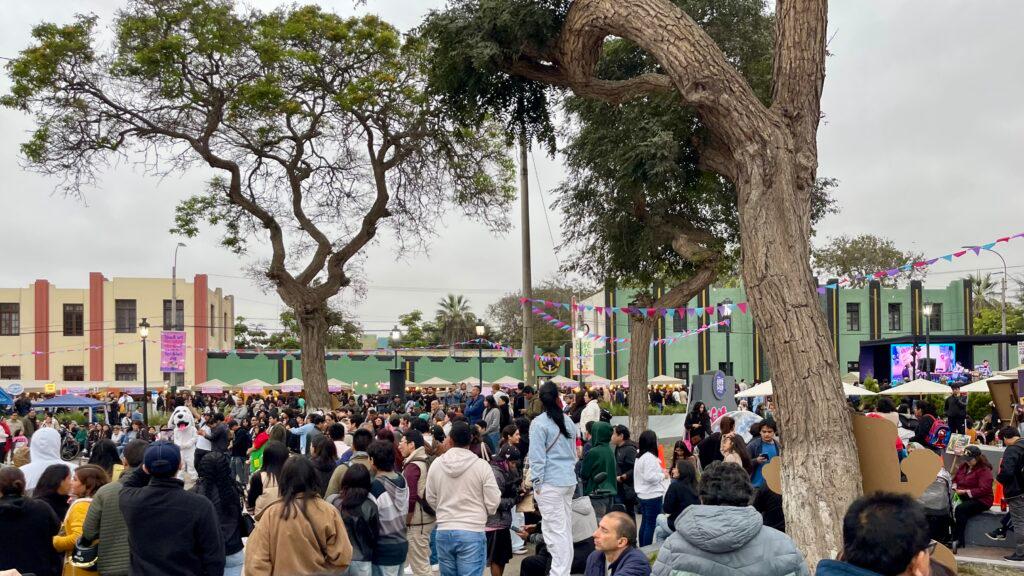
To see the district at its most active, you should plan your visit around its annual festivals. These events transform the plazas and streets into centers of celebration.
The Coffee and Pisco Festivals (January – February)
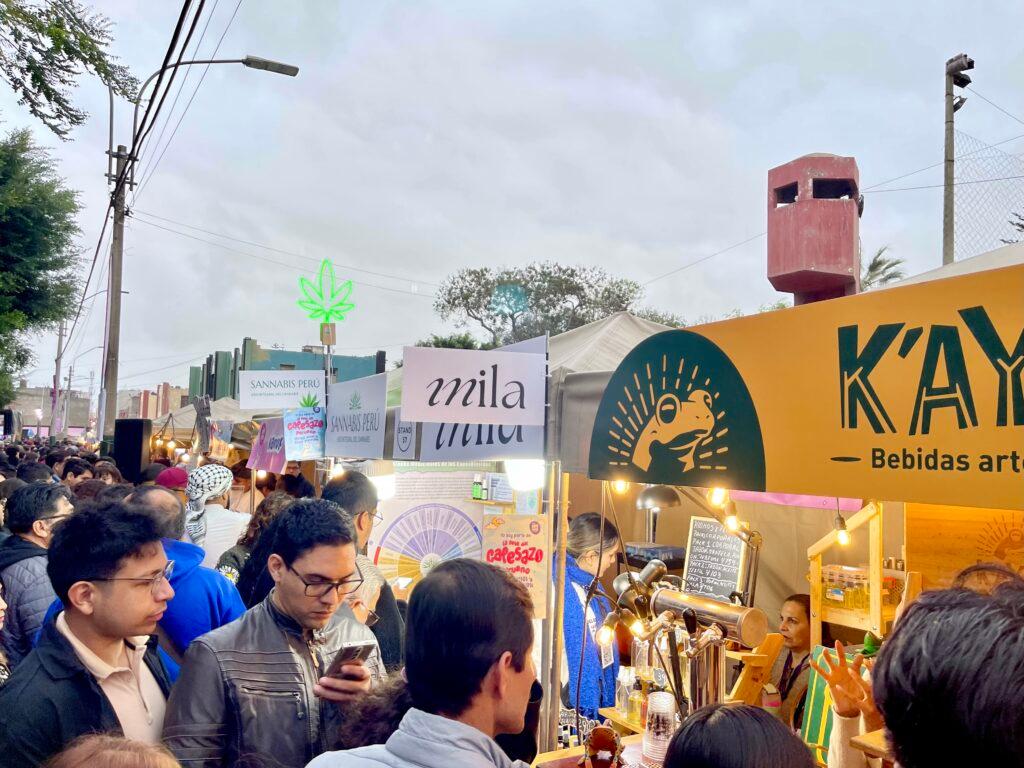
Pueblo Libre is deeply connected to the production of Peru’s national spirit and its world-class coffee. Every year, the district hosts the Festival del Pisco Sour (usually the first Saturday of February). This event takes over the Parque 3 de Octubre and features tastings from the country’s top producers. Additionally, the Festival del Cafesazo Peruano or the local Coffee Party typically occurs in late summer (January or February) or early spring (October), celebrating the best beans from the high jungle with public tastings and barista competitions.
The Grape Harvest and Wine Tradition (March)
Because of the district’s history with the Queirolo family and other winemakers, March is a significant month. While the main Vendimia is in Ica, Pueblo Libre holds its own local celebrations. During this time, the historic taverns offer special pairings and events that highlight the year’s grape harvest.
Fiestas Patrias and the Military Presence (July)
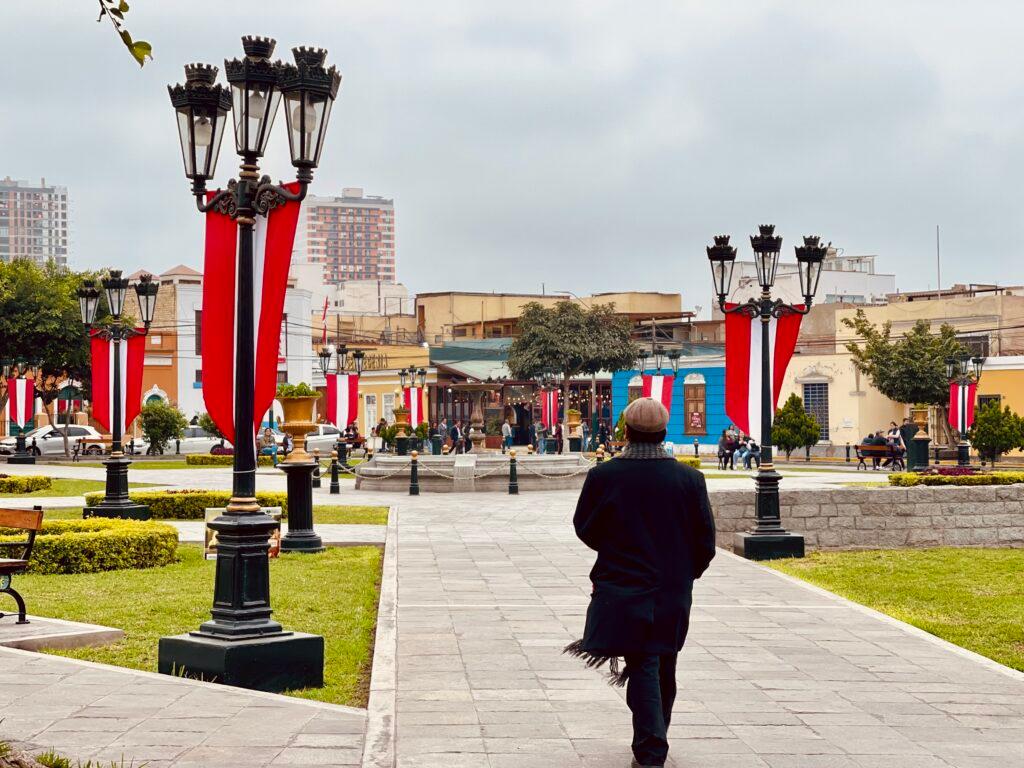
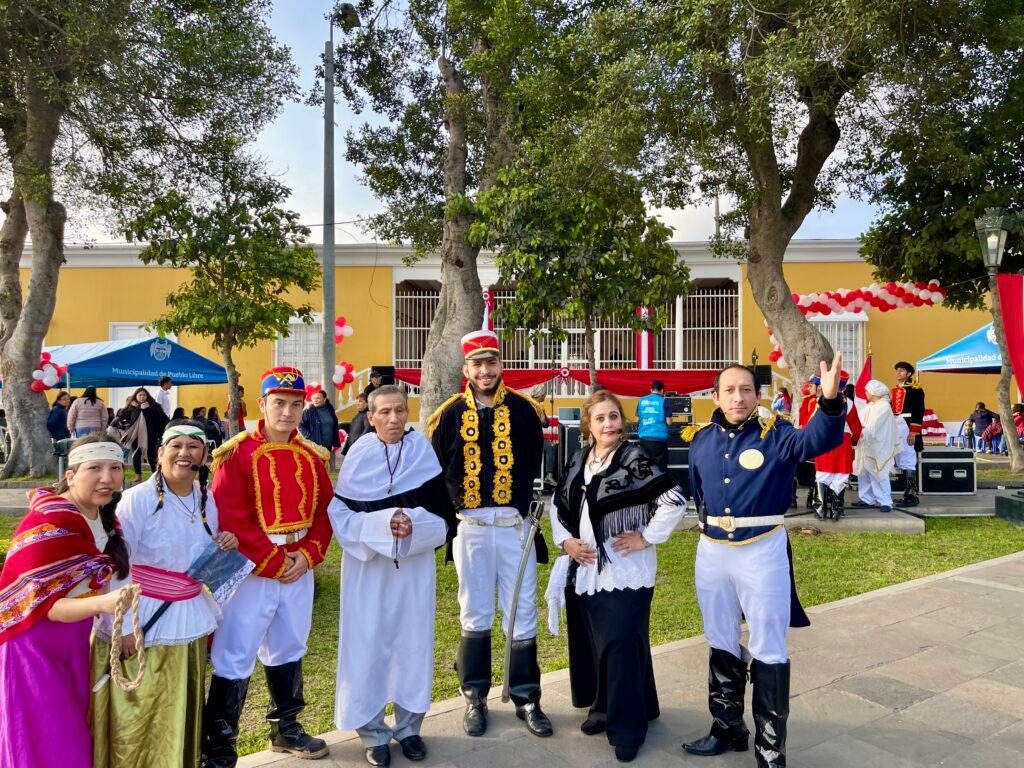
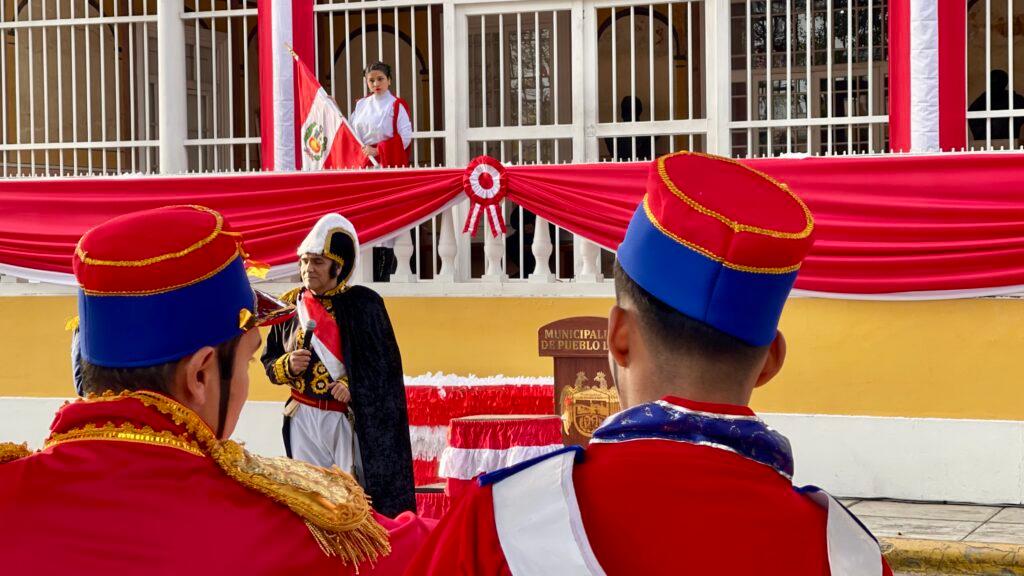
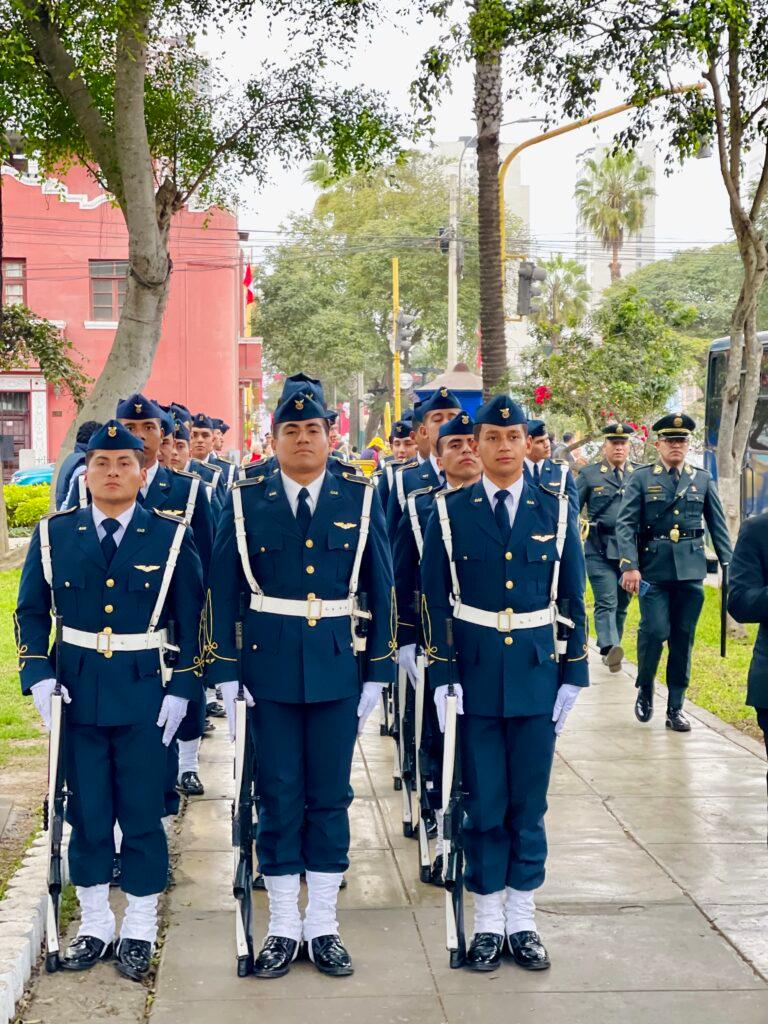
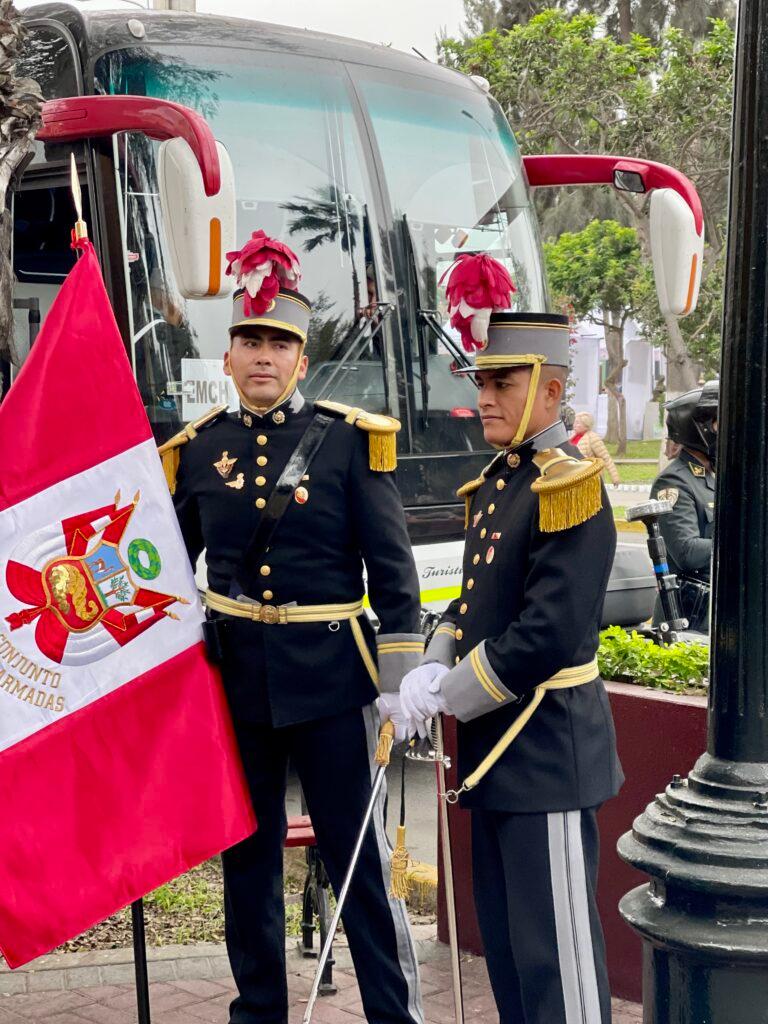
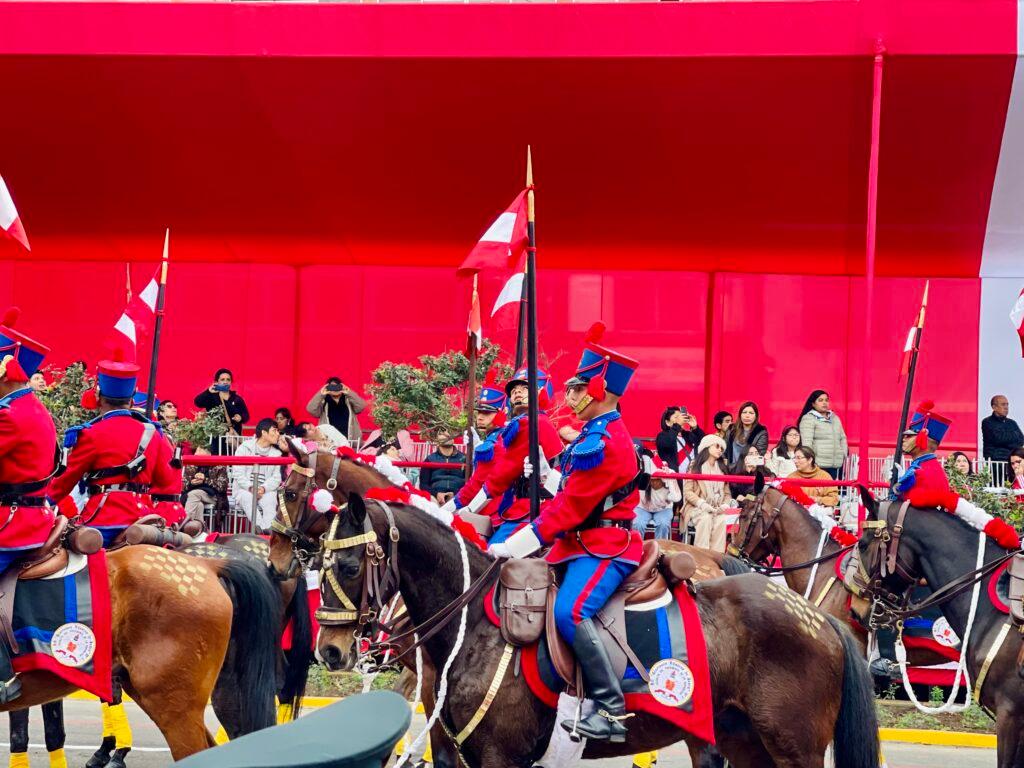
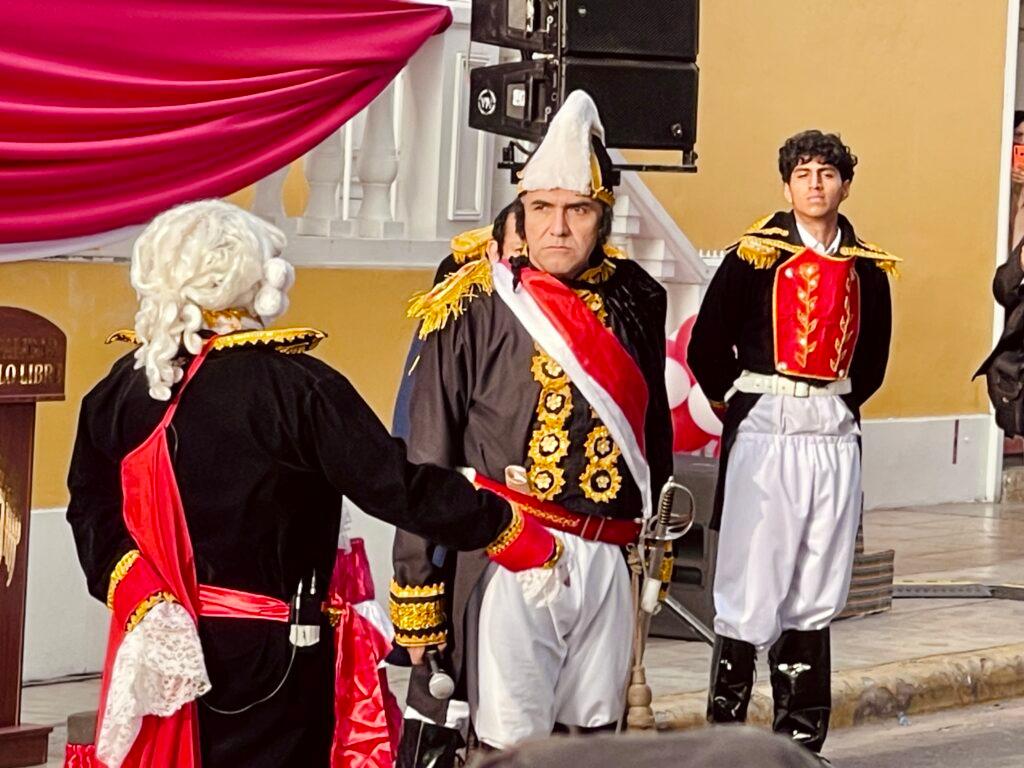
July is the most patriotic month in Peru. On July 28th and 29th, Pueblo Libre becomes the central hub for Independence Day celebrations. While the main parade often moves across the city, the district hosts its own local military displays and civic ceremonies.
Because the liberators lived here, Pueblo Libre takes these celebrations very seriously. You will find the plazas decorated in red and white, with local schools and organizations participating in disciplined, traditional marches.
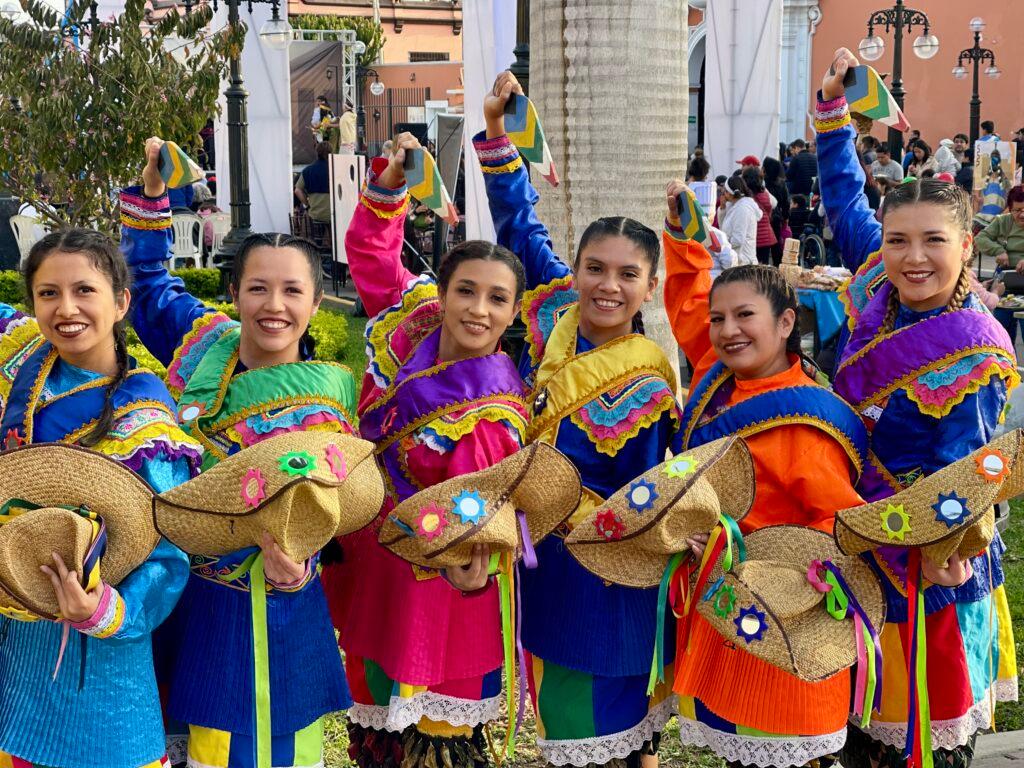

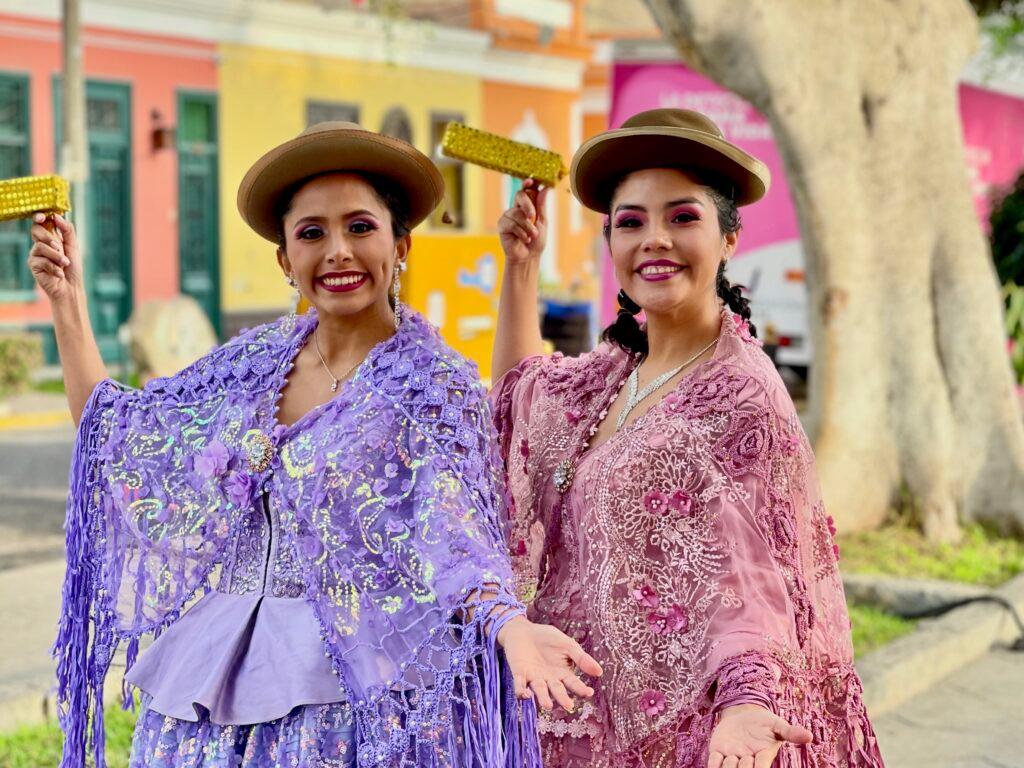



Pueblo Libre is the cultural core of the capital. In 2026, it remains the most significant destination for anyone who wants to understand the historical, culinary, and musical forces that built Peru.